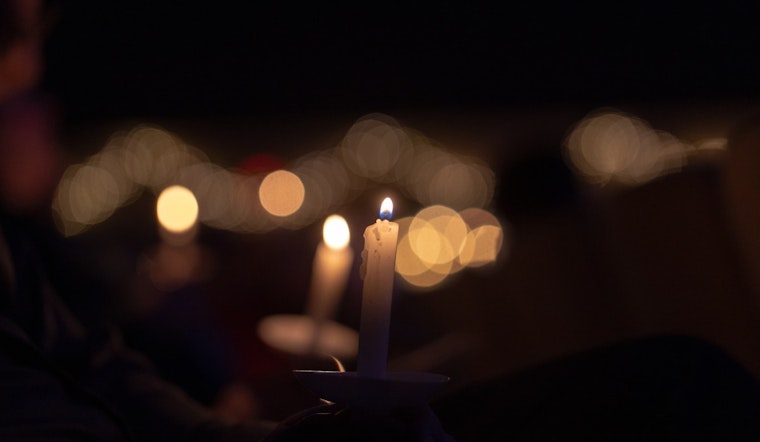
In Atlanta, journalists and the local press are banding together in solidarity over the loss of their colleagues in the Israel-Hamas conflict, an event that has led to the deaths of 63 media professionals. Georgia Public Broadcasting reports that the upcoming vigil aims to provide a space for journalists to mourn those killed since the war began on October 7, with the Committee to Protect Journalists citing this period as the deadliest for journalists since 1992.
The vigil, scheduled for Saturday afternoon at Freedom Park, is not just a quiet remembrance but also an outcry against the ongoing violence that has claimed the lives of people caught in the crisis, with the most recent incident involving three Israeli hostages mistakenly killed by Israeli soldiers who mistook them for combatants—the victims shirtless and waving what appeared to be a makeshift white flag, according to a statement by the Israel Defense Forces obtained by FOX 5 Atlanta.
Activists and organizers at the vigil made it clear that while their primary focus is the journalists' loss, the gathering also serves as a platform for calls to cease the military offensive and intensify efforts for peace talks, stressing the need for a ceasefire. Among the voices at the event was Imam Salah Wazir, who, during a Friday sermon and again publicly, emphasized the futility of escalating violence, saying, "Two wrongs will not make it right. Three wrongs won’t make it right," as reported by FOX 5 Atlanta.
Wazir's statement echoes across Atlanta, where the journalistic community grapples with the harsh realities of their profession in times of war. The urgency felt by many here is underscored by the deaths, which now include 56 Palestinian, four Israeli, and three Lebanese journalists since October 7, with the tally confirmed by the Committee to Protect Journalists and shared during the silent vigil, where attendees dressed in black as a sign of the press's perpetual striving for peace amidst calamity.
These recent events have stirred a national conversation on the safety of journalists in conflict zones and the need for greater protection. The legacies of the slain journalists are mourned and remembered as the city calls for a return to the negotiating table, hoping to find a path to peace. "Killing is not a solution, you have to sit down, work it out. Why don’t you compromise for the sake of peace?" implored Wazir, highlighting the consensus among attendees that dialogue, not death, should be the means to resolution.