

























































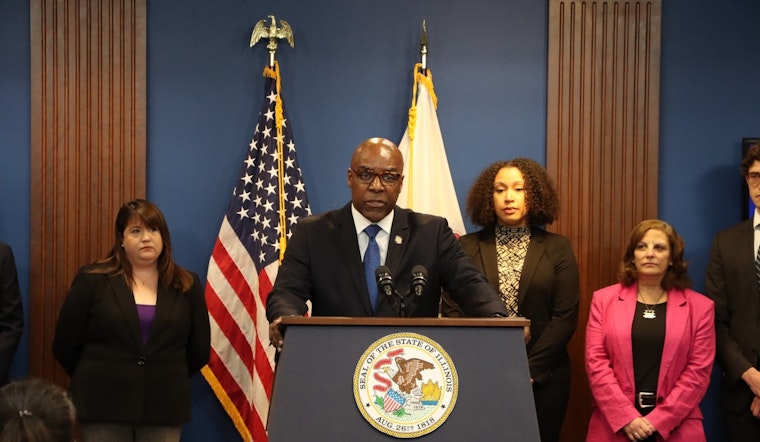
Attorney General Kwame Raoul has taken a stand with 18 other attorneys general, urging the Department of Health and Human Services (HHS) to reconsider how it handles the housing of unaccompanied immigrant children. In a move aimed at safeguarding vulnerable youths, Raoul and his counterparts are pressing for tighter regulations, specifically the insistence on state licensing of all immigration detention facilities where these children are placed.
In a letter that signaled both support and concern, the coalition endorsed aspects of the proposed Unaccompanied Children Program Foundational Rule that aim to bolster protections for the kids. The initiatives they back include improved access to legal counsel, healthcare, and community-based care, according to details released on the Illinois Attorney General's office website. However, Raoul worries about the flexibility the current provisions offer, arguing that they might still leave room for housing children in facilities without proper state licensing.
“It is imperative for vulnerable immigrant children to be placed in supportive care where they can access the protections and services that will allow them to thrive in the U.S.,” Raoul stated, as detailed on the Illinois Attorney General's office site. “States have a strong interest in helping unaccompanied children adjust, become members of our communities, and grow into adults with their own families. I will continue to advocate with my fellow attorneys general for the health, safety, and well-being of unaccompanied children in Illinois and across the county.”
The call for change doesn't just stop at state licensure. The attorneys general also want all facilities, including emergency and influx ones, to meet a set standard or at least comply with state laws where licensing isn't available, reinforcing the need for comprehensive federal oversight of these unlicensed facilities. These demands come in the face of concerns that the current system is inadequate in regard to the health and safety of the children it purports to protect. Whether these alterations will find their way into the final rule is yet to be seen, but the message from Raoul and his coalition is clear: The welfare of these children cannot be an afterthought.





