

























































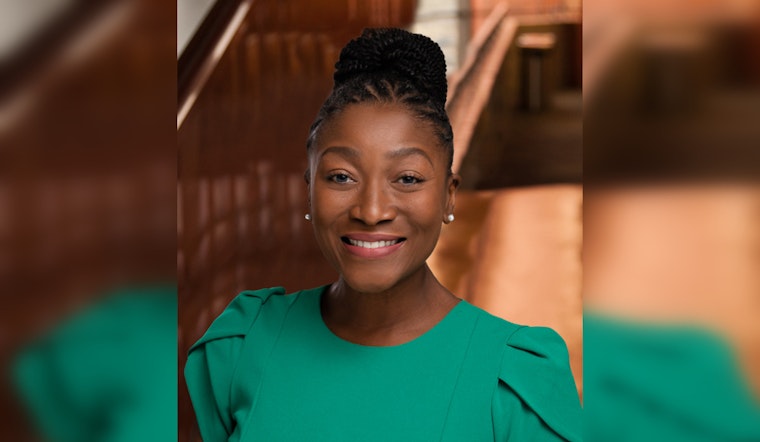
The conversation on mental health among public officials took a personal turn in Austin, as city council member Natasha Harper-Madison aired her mental health struggles publicly, having taken a weeks-long medical leave earlier this year for treatment tied to depression and anxiety. Harper-Madison, who's held her council seat since 2018, admitted to KXAN that making the decision to seek help was "one of the most difficult" choices she's had to confront, especially considering her unique position as the sole Black member on the council.
Returning to her role at the Austin City Council, Harper-Madison rejoined her colleagues for the Housing and Planning Committee meeting this week, reiterating the importance of focused care in addressing her mental health challenges and also reflecting a growing trend among elected officials nationwide to acknowledge their personal battles with mental wellness, according to the Austin American-Statesman. Notably, Harper-Madison's originally announced September medical leave had a ripple effect, prompting fellow council member Mackenzie Kelly to address her mental health issues, to the extent of bringing her service dog, Frank, to City Hall, who has become somewhat of a fixture, complete with his City-issued badge.
In an echo of support, several colleagues at City Hall expressed solidarity, Austin Mayor Kirk Watson and District 7 Council Member Leslie Pool both extended well wishes and assistance to Harper-Madison during her leave, their messages falling into a larger narrative of destigmatization of mental health in the political arena. Harper-Madison's return to office was met with recognition from her peers, who welcomed her back during Tuesday's committee meeting, highlighting a strengthening support system for public servants grappling with mental health, detailed by KXAN.
Harper-Madison is now focusing on advancing mental health initiatives at City Hall, considering new resolutions aimed at providing support for temporary employees and lending her voice to existing projects. Her advocacy is part of an emerging shift, where leaders like Harper-Madison, Harris County Judge Lina Hidalgo, and U.S. Sen. John Fetterman have recently acknowledged their mental health challenges, thereby chipping away at the taboo of mental illness in high-pressure jobs and hopefully, paving the way for a more understanding and supportive political environment.





