

























































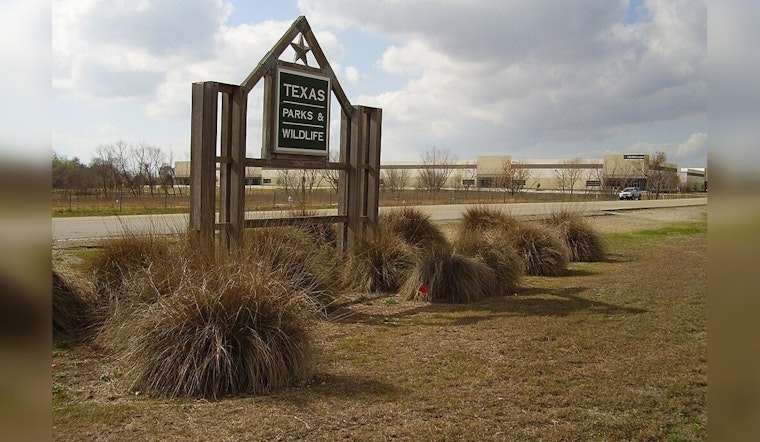
Texas wildlife officials are facing a grave setback after a suspect case of Chronic Wasting Disease (CWD) hit the Kerr Wildlife Management Area's captive deer research facility, a crucible for whitetail studies and management programs. In a move shadowed by precaution, the Texas Parks and Wildlife Department (TPWD) confirmed that a 14-month-old male deer being part of pivotal research bore the unfortunate mark of this neurodegenerative disorder. After sedating all deer at the facility, no further cases were detected among them.
Upon receiving the initial suspect-positive test result from the National Veterinary Service Laboratory in Iowa, TPWD took no chances. As reported by the agency, amid a wave of fear tinged with disappointment, they made the call to euthanize the research population for further testing. John Silovsky, Wildlife Division Director, remarked in a statement, "TPWD staff are disappointed to abruptly end nearly 50 years of white-tailed deer research that has significantly influenced deer management in Texas and across the country." Their commitment, however, remains unshaken as they pivot towards strategies to combat the ongoing spread of CWD in both captive and free-roaming deer.
Built almost half a century ago, the 23-acre high-fenced Kerr facility has been a bastion of deer research, featuring breeding, rearing enclosures, and a suite of support structures. Initially populated with native Texas whitetails, the facility has since burgeoned into a vital resource, nourishing wildlife management practices in Texas and across the nation with invaluable insights into the intricate tapestry of nutrition, genetics, and antler development.
Ever vigilant, TPWD's surveillance efforts for CWD have spanned over two decades, yielding hundreds of regulatory tests, with only this recent positive detection in a tonsil biopsy to mar their unrivaled record. The precision of their work, met with swabs of equipment and critical euthanasia, followed by tissue testing, assures that despite this jarring interruption, the facility's legacy—and battle against CWD—will endure, perhaps in novel and unforeseen ways.
CWD, a fatal disease stalking deer, elk, moose, and kin, operates with the stealth of a shadow, often evading detection until its latter stages when it unshackles a macabre display of weight loss, incoordination, and other signs of physical deterioration. First identified in Texas in 2012, it has since been an unseen specter lurking within both captive and wild cervids. Texas' response—a tapestry woven from early detection and continuous monitoring—stands as a bulwark, albeit one that has now been breached, yet stands resilient before the specter of disease.





