

























































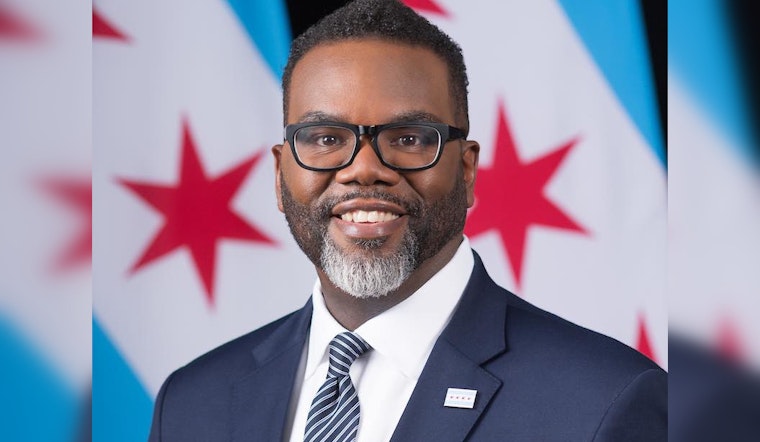
Mayor Brandon Johnson's mental health initiative may be starting with baby steps, as the Chicago Tribune details, but the move packs a punch politically in Chicago. Investing $5.2 million to expand mental health services and $15.9 million to beef up crisis response teams, Johnson’s budget allocation, although falling short of the Treatment Not Trauma campaign's full expectations, is spurring hope among Chicago’s progressives.
Brandon Johnson's first budget, which amounts to a mere 0.1% of the city's whopping $16.77 billion budget, proposes a cautious reopening of two city-run mental health clinics. The political landscape of Chicago remains embattled with history as past mayors like Richard M. Daley and Rahm Emanuel shut down such centers. Now, union-backed Johnson is pledging a longer game, saying "a more robust response is yet to come," in a statement obtained by the Tribune.
Meanwhile, the mayor's proposed $16.6 billion spending plan is looking to bridge the divide without bleeding taxpayers dry as reported by WTTW News. Saying no to new taxes and fee hikes, the bold plan is a strike at the "government's addiction to the regressive taxation," Johnson announced, setting the foundation to uphold his promises to reinvigorate the working-class of Chicago. The plan also includes grease for the wheels of affordable housing, mental health endeavors, and pushes for environmental justice.
A significant slice of the spending pie goes towards mental health—a $4.8 million increase from the previous budget, according to the mayor's spending proposal. Johnson has committed to rolling out permanent solutions addressing the mental health crisis, with an eye on the longevity and efficiency of such fixtures within the communities they serve. Even as Chicago's own Department of Public Health officials struggled with staffing issues, according to WTTW News, Johnson's budget advocates for a sturdy bolstering of mental health services and infrastructure.
Individuals deeply seated in the ground realities, like Diane Adams, a longtime patron of the city-funded clinics, swear by the personal transformations such facilities have enabled them to undergo. Adams, who began relying on the city clinics after a personal tragedy in 1997, stands strong today. "I had no feelings, no emotions, nothing," she recounted, according to the Chicago Tribune. Her recovery saga is a living testament to the potential of a well-funded, city-run mental health care system.
The city's financial strategy to stay afloat involves pulling from various streams, including the use of $49.5 million from the city’s Tax Increment Financing program and dipping into a surplus from prior years. As Chicago’s son pens a new chapter for his city, the distressing deficit is counteracted without resorting to cuts in city personnel or public services—a fiscal tightrope walk that just might pave the way for sustained urban resurgence and a deepening of public trust.





