

























































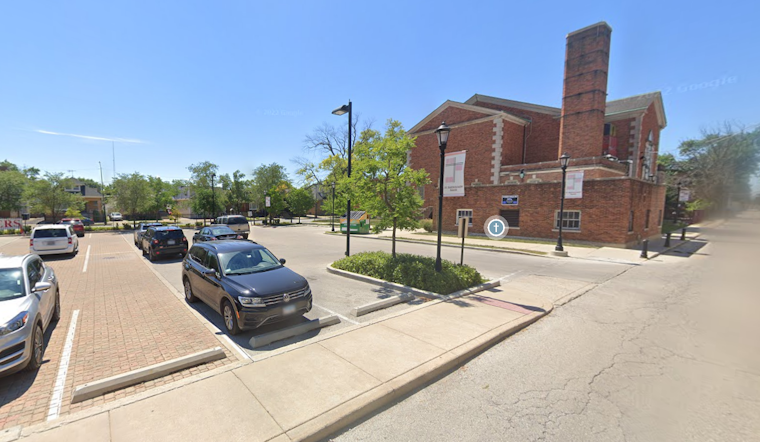
Tempers are running hot in Portage Park as residents anticipate the arrival of hundreds of migrants set to be sheltered in their neighborhood starting next month. A former Catholic school situated at 4910 W. Addison St. is being repurposed as a temporary safe haven for migrant families, a move that has sparked a fierce neighborhood debate reported the Chicago Tribune. While some residents are advocating for empathy and community unity, others are calling for the city to prioritize its current inhabitants, including homeless veterans.
Local officials, including 30th Ward Ald. Ruth Cruz has defended the city's plans, assuring that the new shelter at the former St. Bartholomew Catholic School will not siphon funds from existing services for the city's homeless. The Chicago Tribune further detailed that the migrants, which are said to range from 300 to 350 individuals, are due to arrive in January and will be subject to a curfew and security measures. The structure's prior educational purpose has been a critical issue for those opposing the shelter, who advocate for its use for community children or aiding local homeless individuals, according to the residents' sentiment captured in an NBC Chicago report.
The city's Deputy Mayor of Immigrant, Migrant and Refugee Rights, Beatriz Ponce de León, highlighted the rapid increase of migrants arriving in Chicago, resulting in over 14,000 people living in temporary shelters. The Tribune also mentions Portage Park resident David Canario reflecting on his own family's immigration experience in the '60s, passionately requesting the city to ensure safe environments for the new migrants, whom he considers extended family members. Conversely, some local voices bring forth concerns about change and safety, with resident Wally Prusko telling NBC Chicago, "I really don’t feel safe with any new strangers walking around the neighborhood," his sentiment echoing wider unease.
Residents aren't just troubled by safety concerns but also by the financial implications of the city's migrant response. Nathalie Magallanes, for instance, expressed her reservations upon learning the city has paid outsourcing firm Favorite Healthcare Staffing at least $56 million since September 2022 for operating shelters, as reported by the Tribune; she declared, "I’m OK with housing migrants here...But I’m not OK with being screwed out of my taxpayer money." The city has promised to explain further details in a future informational session; no date has been announced as of yet.
Amidst this community clash, the narrative isn't solely one-sided. The city strives to integrate these new arrivals into Chicago Public Schools with a focus on English language learning programs, and according to the Tribune, Thomas residents like Suzy Jackson, who have personal experience working with migrant families, advocate that the forthcoming shelter is a beacon of hope for those seeking asylum. "They endured a long and dangerous journey to get here…They want to be productive members of our community," Jackson shared.
However, the conversation around the Portage Park shelter remains complex and dynamic, with both the city's actions and the residents' reactions painting a picture of a community at a crossroad, grappling with the very essence of hospitality and the limits of responsibility.





