

























































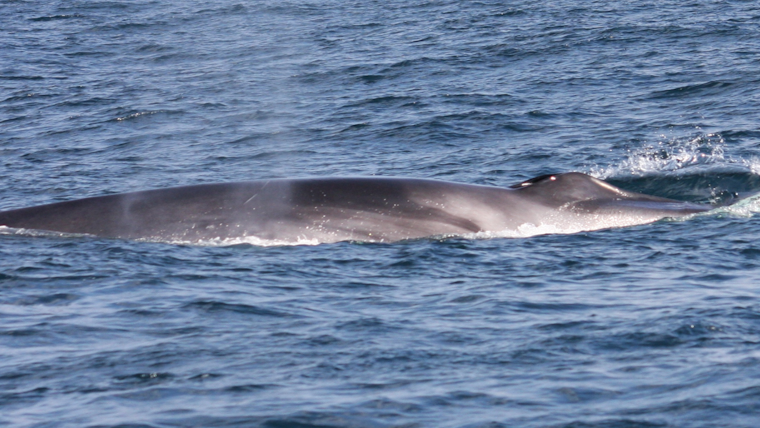
A tragic scene unfolded on a San Diego beach when a massive 52-foot endangered fin whale carcass, riddled with killer whale bite marks, washed ashore, sparking a flurry of scientific interest and concern for local beachgoers. NOAA experts are at the forefront of the investigation into the peculiar death of the marine giant, with evidence now pointing to a deadly encounter with orcas—nature's tuxedoed top predators—according to Voice of San Diego.
The whale, initially suspected to have been victim to a shark attack, bore the unmistakable 'rake marks' of killer whales, NOAA spokesperson Michael Milstein clarified. These maritime clashes aren't foreign to the region; with increasing killer whale sightings in SoCal—witnessed punting dolphins and interacting with whale watchers along the coastline—the theory doesn't seem far-fetched. Milstein told NBC San Diego, "There have been other documented cases where orcas chased fin whales that beached themselves while trying to escape."
Amid a boost in killer whale sightings near the San Diego shore, the aquatic skirmish may have driven the fin whale to the shallows in an escape attempt. Bob Pitman, marine ecologist at the Marine Mammal Institute at Oregon State University, explained in a statement obtained by Voice of San Diego, "Large whales, if they’re in coastal areas, go toward shore rather than stay out in open water and deal with a killer whale."
The beaching of the juvenile female fin whale, an endangered species second in size only to the blue whale, caused a sensation among the public and experts alike. Lifeguards diligently tried to return the behemoth to the ocean, only to have the carcass float back towards the San Diego coastline. Milstein highlighted the significance of marine mammal stranding reports and the value NOAA places on public vigilance in a statement to Oceanic Rescue.
''A 52ft (15.8m) fin whale was discovered at a popular beach in San Diego on Sunday. Experts from the National Oceanic and Atmospheric Administration (Noaa) are working to determine the cause of death.''
— ORCA (@OceanicRescue) December 12, 2023
Huge fin whale washes ashore at popular California beach…
San Diego lifeguards, faced with not wanting a "floating buffet of meat" near busy beaches, eventually towed the whale carcass 20 nautical miles out to sea. NOAA has attached a buoy to track its journey, which last placed the whale 50 nautical miles off Rosarito, Mexico, as reported by Voice of San Diego.



