

























































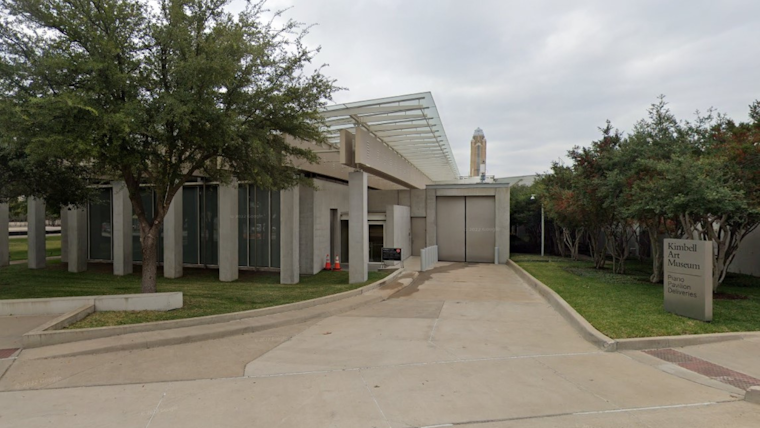
The Kimbell Art Museum in Fort Worth has snagged a pre-Columbian treasure, a jadeite figure that leaders there are boasting as their "most significant work of ancient American art" in the museum's 51-year history. The acquisition, a renowned Olmec statuette known as Standing Figure Holding a Were-Jaguar Baby, has been making waves in art circles with its undeniable historical clout and a backstory to match, according to NBC DFW.
Despite being less than 9 inches in height, the figure is described as "absolutely mesmerizing" with a "power" that is "so charged," according to Jennifer Casler Price, Kimbell's curator of Asian, African, and Ancient American Art, as per NBC DFW.
Named for its depiction of an Olmec ruler cradling a mythical creature, this ancient work is not merely a display of craftsmanship. It's a key figure in the study of civilization's history and spiritual beliefs. These beliefs include the connection to the supernatural, as the sculpture hints with its ruler and infant jaguar—a motif recurring in Olmec iconography, which thrived from around 1200 to 400 B.C. in today's Mexican states of Veracruz and Tabasco.
Showing off a polished surface, which lends the jadeite a glowing sheen, this piece stands uniquely alone in its form, as Price humorously but firmly asserted. It is a one-of-a-kind find in the realm of Olmec-carved jade, further magnified by the perplexing absence of the figure's left leg, a detail that Price attributes to ritualistic sacrifice practices. "Symbolically, by breaking the leg off deliberately—the leg was there when the sculptor carved the piece—but in the ritualistic action of breaking off the leg, you're making a sacrifice to the gods," she said, per The Dallas Morning News.
Dating back to its first documentation in 1829 and after passing through the hands of notable collectors—including the New York-based Alastair B. Martin of the famed Guennol Collection—the Kimbell Art Museum finally laid hands on the piece through a purchase from the Robin B. Martin Trust. While the price remains under wraps, the statue's deep provenance certainly adds to its allure. Yet, for Kimbell officials, the priority remains embedding quality over quantity into their collection, aiming to spotlight masterpieces above all else—a strategy that has certainly paid off with this latest coup in antiquities.





