

























































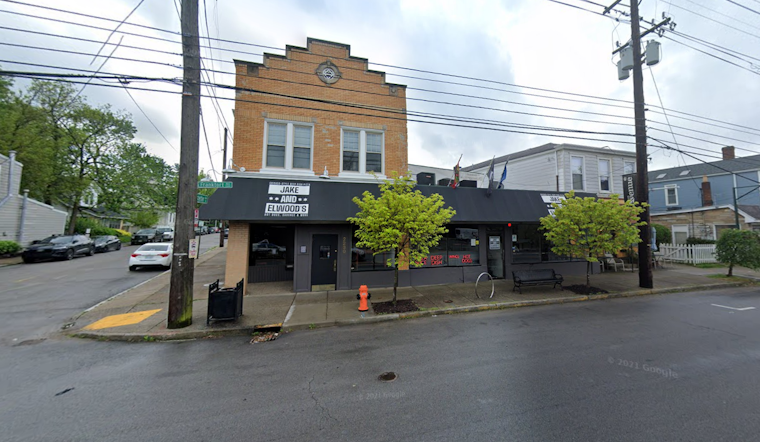
The culinary scene in Chicago has more empty shelves. The latest in a series of closures is none other than the iconic Jake and Elwood's pizza joint, which dished out hearty deep-dish delights along with a spread of Chicago-style sausages and Italian beef sandwiches. Shuttering its doors with a farewell note on Facebook, owner John Thurlow expressed his heartfelt departure to the Clifton and greater Louisville communities: "To all of our customers, friends and family: It is with a sadden heart I must inform you that effectively immediately Jake & Elwood’s will permanently be closed. It has been a real joy getting to know all of you and being a member of the Clifton and greater Louisville community. Thanks for all the memories! Sincerely, John," as was reported by LEO Weekly.
Joining the exodus, according to Eater Chicago, is a smattering of culinary staples across Chicago. From the closure of the 57-year-old suburban Jake's Pizza, notorious for its thin-crust pies, to the shutdown of the long-standing LGTBQ nightclub Berlin, the hits just keep on coming. "The expenses of increased security, insurance and licensing, equipment, rent, and more cannot be overestimated, and we could not imagine morphing the bar into a bottle service, VIP area venue," explained owners Jim Schuman and Jo Webster. And as if taken straight out of a Wes Anderson flick, the last of the Duk's Red Hots hot dog stands is set to turn over the keys to new ownership on New Year's Eve—it's the end for a brand that hit the Chicago streets back in 1954.
Even the big chains have felt the crunch with Grand Lux Cafe on Magnificent Mile and Boston Market's two Chicago locations folding under unrevealed reasons and nationwide closures, respectively. These departures are emblematic of a broader trend marring the hospitality sector post-pandemic, characterized by financial crunches and the ever-looming specter of change in consumer tastes.
Each closure not only blots out a point of warmth on the city map but also displaces the hands that kneaded, cooked, served, and created a community around these haunts. The union representing Berlin's workers articulated their dismay and contention, arguing that businesses that "refuse to value our work above minimum wage do not belong in our community." These closures are not mere endings but also the silencing of narratives woven over decades, affecting patrons and employees alike, a sentiment echoed amid the industry's struggles.





