

























































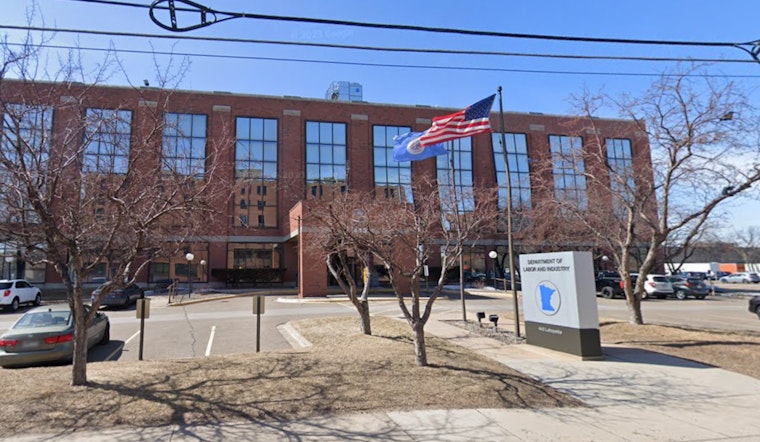
Minnesota workers can ring in the New Year with a little extra peace of mind as the state's earned paid sick and safe time law comes into effect on January 1, 2024. According to an article on KARE 11, the legislation allows employees to earn one hour of paid leave for every 30 hours worked. This paid time off can be accrued up to at least 48 hours, benefits extending to part-timers as well. But not all feedback is glowing, the National Federation of Independent Business in Minnesota has labeled the law a complex burden on businesses already stretched thin by economic headwinds.
Businesses, caught between inflation and a worker shortage, voice concern over the timing and complexity of the law. "I think that the two biggest impacts include the burden of complying with this regulation, which is much more complicated than it appears," said John Reynolds, state director for the National Federation of Independent Businesses in Minnesota, to KARE 11. Reynolds painted a picture of businesses saddled already with challenges, now faced with the added costs of paying for sick time and finding replacements for these employees.
Conversely, some business owners are hanging a welcome sign for the new policy, seeing it as beneficial for both their workforce and their recruitment strategies. Daniel Swenson-Klatt, who has already been offering a sick time policy at Butter Bakery Cafe in Minneapolis, finds implementation manageable. "I found it wasn't actually that challenging to put into use," Swenson-Klatt told KARE 11. "This is a recruitment tool for all small businesses that levels the playing field, because most larger businesses have had this built in for years and years and years."
The Department of Labor and Industry details that sick and safe time applies to a wide family umbrella, and can encompass things like mental or physical illness, domestic abuse, or public emergencies. By providing an intricate patchwork of assurances in its primary purpose, the law aims to provide employees with the assurance to care for themselves and their families without the threat of lost wages. Employers are required to furnish employees with a notice explaining their rights under the new law and provide transparent accounting of earned sick and safe time hours on earnings statements, according to information obtained from the Minnesota Department of Labor and Industry website.
Furthermore, the state requirements will supersede local ordinances in Bloomington, Duluth, Minneapolis, and St. Paul, ensuring that employees enjoy the most favorable conditions provided by local and state laws. While questions remain for many Minnesota businesses on how best to implement these measures, the clock ticks down to a new chapter in the state's employment law beginning January 1.





