

























































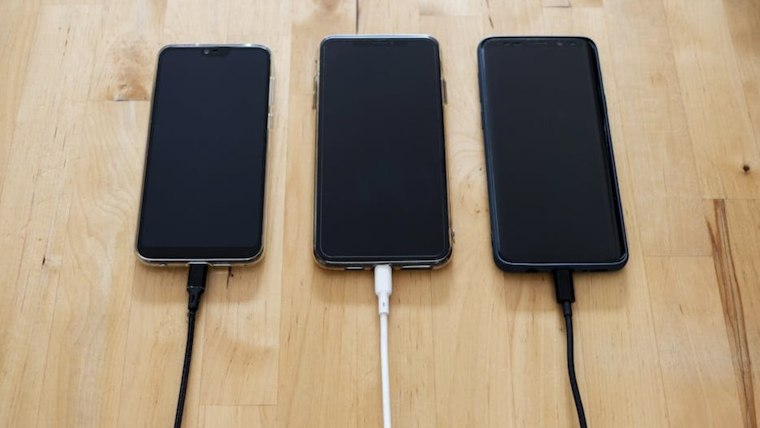
Travelers, beware of a sneaky cyber threat: "Juice Jacking." The FBI's San Diego office recently warned the public against the dangers of free charging stations and public wifi, suggesting that people should carry their chargers and avoid using USB ports when traveling. According to an informative post by the FBI, these public ports could serve as a gateway for cyber thieves to install malware on your devices, putting your personal information at risk.
Avoid using public wifi & free charging stations. Instead, carry your own charger & plug into an electrical outlet & use your phone’s wireless hotspot to avoid becoming a victim of "Juice Jacking" https://t.co/Prmog1EYRL pic.twitter.com/Lm7oWFyEGl
— FBI San Diego (@FBISanDiego) December 23, 2023
While the convenience of plugging into a USB charging station at airports or hotels can be alluring, the Federal Communications Commission (FCC) has indicated, per advice they've published, that bad actors could compromise these ports, gaining unnecessary access to phones and tablets, the FCC hasn't confirmed any actual cases of "juice jacking," but it's clear the potential for harm exists. Cybercriminals are nothing if not opportunistic, they can exploit the data connection on a USB port to install malicious software that could lock your device or steal your data.
To fend off such digital piracy, the FCC emphasizes the merit of using AC power outlets instead of USB ports and carrying an external battery or a charging-only cable. If you need to use a USB port, heed any prompts when connecting your device. These will typically allow you to prevent data transfer by opting to 'charge only'.


