

























































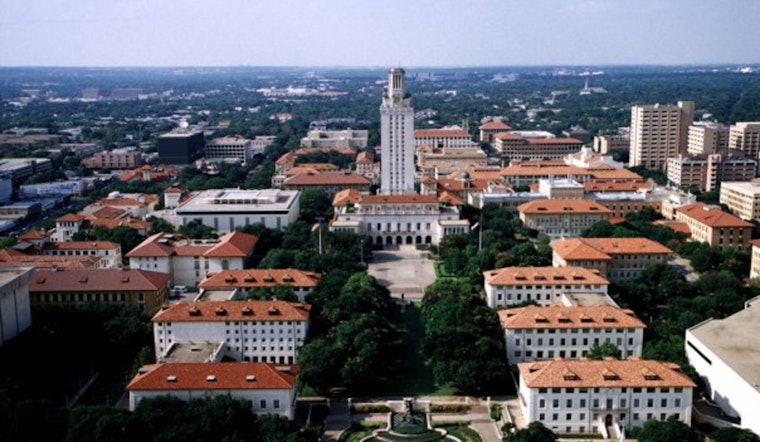
The University of Texas at Austin has zero tolerance for what it's deemed unacceptable protest conduct, launching an investigation into a series of pro-Palestinian demonstrations, according to a university statement released on Wednesday, as reported by CBS Austin. The student-led protests have been pronounced a disruption to campus order following an episode involving protesters and a university dean, provoking administrative scrutiny over potential policy breaches.
Trouble brewed last week before winter break when two teaching assistants were reassigned after circulating a statement in support of Palestinians affected by the Israel-Hamas conflict, as per the CBS Austin report, a move that some students speculate was an attempt to silence Palestinian advocacy. Texas Governor Greg Abbott weighed in on the tensions, directing a firm message to university leaders, saying, “You have a leadership responsibility to ensure that there is no one on your campuses that is advocating for genocide or antisemitism, It is completely unacceptable in the state of Texas, period,” as stated in CBS Austin report.
According to KXAN, UT policies specify that any disruption that coerces attention away from a planned event can be considered a violation. Additionally, some students wore masks while protesting, which could be an infringement if aimed at concealing identities. Attorney Scott Hendler pointed out to KXAN that forced listening is a contentious space in free speech law, suggesting the possibility of the university's measures facing legal challenges.
At the heart of this unrest are the voices of Palestinian students and supporters who feel undercut by UT Austin's response to their activism, with reports from KXAN of concerning incidents including verbal harassment from non-student groups calling them terrorists, yet no swift action was taken by the university in these instances. A Palestinian Solidarity Committee member outlined to CBS Austin that "there's a push from students to get the TAs reinstated," confirming the persistence of their cause despite the fractious atmosphere. As the campus heads into next semester, the overarching demand by protesters remains clear: UT Austin should engage in a public discourse addressing the concerns that have been the impetus for their demonstrations.





