

























































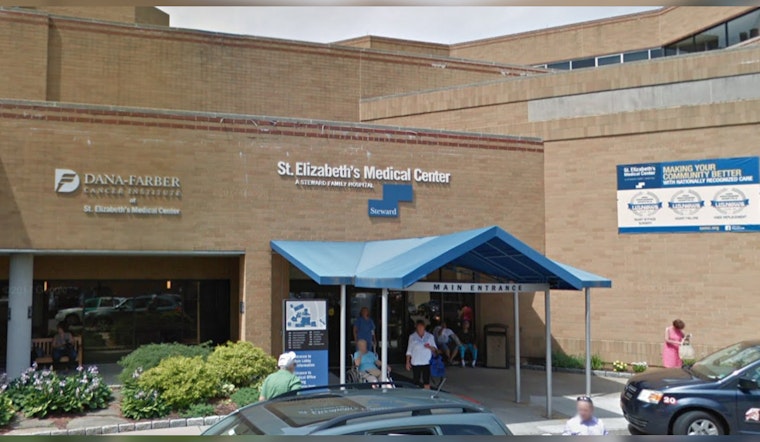
In what's shaping up as a potential healthcare crisis in Massachusetts, Steward Health Care is reportedly grappling with a massive $50 million in unpaid rent, putting several hospitals at risk of closing their doors. Among the afflicted is St. Elizabeth's Hospital in Brighton, known for its top-tier cardiac surgery and boasting nearly 600 beds, has now found its future uncertain.
According to Boston 25 News, the deep financial trouble looming over Steward Health Care could send shockwaves through the community, with Carney Hospital in Dorchester also on the shaky list. The health system's financial woes come amidst the broader challenges hospitals nationally are facing, including staffing shortages and ballooning costs that are compounded by inadequate insurance reimbursements.
Steward's fiscal issues didn't emerge overnight. The company, which arrived on the Massachusetts scene around a decade and a half ago, has suffered several financial setbacks. Notably, just a couple of years back, a flash flood forced the closure of Steward’s Norwood Hospital. Now, adding to the list is the impending April shutter of New England Sinai Hospital in Stoughton — marking the fourth such closure in recent years in the state.
The strain is felt beyond Steward's properties; even Mass General has sounded the alarm over routine overcrowding, as reported by Boston 25 News. South Shore Hospital, over its licensed capacity, is already stretched thin, and with Steward hospitals like Good Samaritan in jeopardy, there's a palpable fear of cascading healthcare burdens in the region.
Mired in what could be a quagmire of delays and closures, one patient lamented to WCVB about spending over 12 hours without seeing a doctor at South Shore Hospital, highlighting the dire state of patient care experiences. "I was honestly here like a week ago, and I didn't even see a doctor from like 6 at night to 7 in the morning," the patient stated. This sentiment echoes across the community, with seniors expressing distress over access to care in what were supposed to be their "golden years."
Dr. Jason Tracey, South Shore Hospital's chief medical officer, underscored the escalating situation in a statement obtained by WCVB, noting the unsustainable pattern of "double-digit increases from a percentage standpoint year over year" in patient growth. As healthcare executives scramble for solutions, state intervention may become a necessary salve for the ailing healthcare infrastructure. The Executive Office of Health and Human Services has indicated it's monitoring the situation and is planning to potentially intervene in order to preserve vital healthcare services and jobs.





