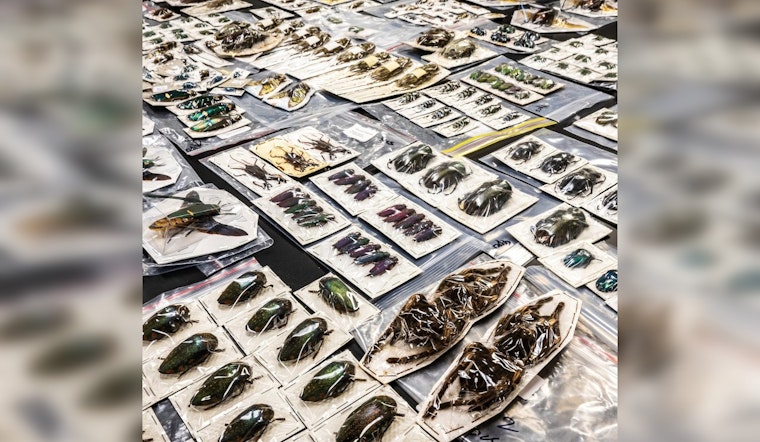
An Arizona State University professor has unveiled a horde of illegal six-legged critters—over 3,000 black market bugs, some fetching up to six figures. Dr. Lauren Weidner and her team are knee-deep in beetles, butterflies, and other exotic insects, a collection seized by U.S. authorities and handed over to ASU's School of Interdisciplinary Forensics. According to reports from AZFamily and ASU News, these bugs are not your average backyard variety but rare specimens that could have dangerous implications for the environment if their trafficking is not curbed.
"People have no idea that insects are illegally trafficked," Weidner told ASU News, highlighting the variety and allure of the contraband creatures she has encountered. Weidner's forensic entomology squad is piecing together a database to track these insects and provide vital info to federal agents nipping at the heels of smugglers. Pieces of this stealthy trade include insects disguised in luggage or mailed under the guise of innocuous goods, as some of the bugs find their way into the hands of illicit collectors and enthusiasts worldwide.
Weidner's work stretches beyond intercepting trafficking operations. She aims to raise awareness about the vital role these tiny beings play in our ecosystem and the dire repercussions of their over-collection. The task at hand also serves an educational purpose, with the ASU team intent on crafting display cases for museums to shed light on the dark world of wildlife trafficking. "They are just stunning," Weidner described the confiscated insects in an interview with ASU News. "At least to me they are."
These insects—a rainbow of iridescence and varying textures—are not merely curiosities; they represent a slice of a lucrative black market trade. The Queen Alexandra’s birdwing butterfly, with a wingspan hitting an impressive 10 inches, can command a price tag of around $100,000, as reported by AZFamily. However, the real mission for Weidner and her students extends far beyond marveling at these creatures' beauty; it's about protecting biodiversity by tackling the crime that preys upon the fragile existence of these species.
Not your standard university curricula, the project at ASU is groundbreaking work in the battle against environmental crime. The rare insects, currently sitting in seven boxes, await categorization and will ultimately become a part of an enduring ASU collection. It's a project that Weidner finds both crucial and gratifying, "Doing this work makes me feel like they were not taken for nothing, if that makes sense," she expressed to ASU News, underscoring the dual purpose of education and enforcement in their efforts.