

























































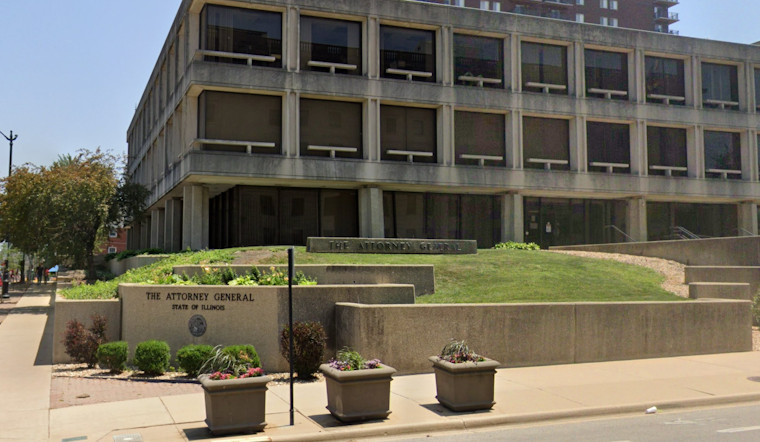
Attorney General Kwame Raoul is leading a group of 16 attorneys general in backing a California school district embroiled in a legal battle over the privacy rights of transgender students. The coalition entered the fray with an amicus brief filed in the U.S. Court of Appeals for the 9th Circuit to uphold a district policy that aims to protect transgender and gender-nonconforming students from being disclosed without consent, reported the Illinois Attorney General's office. This announcement follows a federal district court's decision to dismiss a lawsuit launched by a parent against Chico Unified School District's (CUSD) privacy policy.
The contentious policy at the heart of the lawsuit, CUSD's Administrative Regulation 5145.3, is designed to prevent unnecessary outing of students' transgender status by school staff. Raoul and the other attorneys general are asserting that such policies offer a necessary shield against potential harm. "All students deserve a safe and supportive school environment," Raoul stated, underlining the coalition's stance.
In the amicus brief, the attorneys general argue that CUSD's policy strikes a crucial balance respecting substantive due process rights and that the exclusion of consent when disclosing a student's transgender or gender-nonconforming status can pose a significant risk to the student's emotional and physical well-being. They note that transgender and gender-nonconforming students often face increased risks of abuse, mental health issues, and suicide. The coalition suggests that policies like CUSD's are critical in fostering an academic environment where students can thrive without undue fear of stigmatization or harm.
Yet, the plaintiff in the initial lawsuit, a parent of children within the said district, had challenged the district's policy, calling it a constitutional overreach. The district court's previous ruling favored the school district's discretion, leading the plaintiff to appeal. Raoul's collective contends that the plaintiff's reading of the Constitution fails to hold up and could, if entertained, jeopardize schools' capacities to protect their transgender student body. The attorneys general maintain that the appellate court should reaffirm the district court's initial dismissal of these claims.
The legal challenge comes at a sensitive time in discussions of the rights of transgender individuals in the United States. Raoul's coalition is joined by attorneys general from across the nation including California, Colorado, Connecticut, the District of Columbia, Hawaii, Maine, Maryland, Massachusetts, Minnesota, New Jersey, New York, Oregon, Rhode Island, Vermont, and Washington. Their united front seeks to influence the appellate court's decision, emphasizing the need for supportive school policies that cater to the well-being of all students, regardless of their gender identity.





