

























































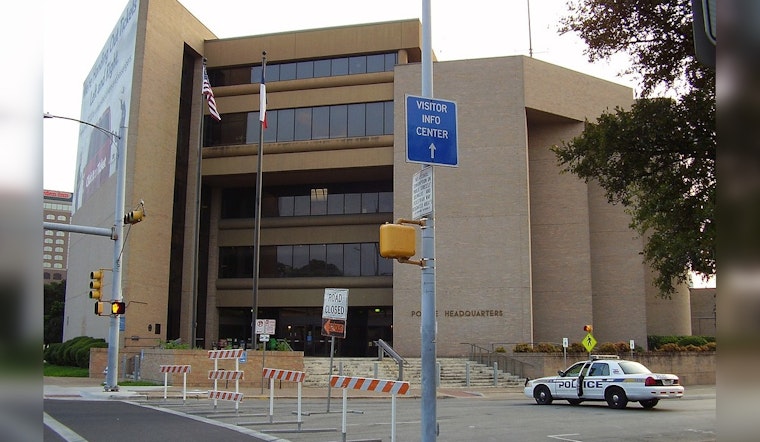
In a bold move aimed at maintaining law and order in Austin, Texas, the City Council has green-lit an extension to the city's police pay and benefits package, a decision that comes amidst ongoing disputes over police oversight and labor contract negotiations. According to the Austin Monitor, the council's latest directive also includes a new bonus plan designed to sweeten the deal for the Austin Police Association (APA) to return to the bargaining table.
Having directed the city manager to extend the pay package enacted last year, the measure was approved during the Jan. 18 meeting and anticipates a formal vote on Feb. 1, with Mayor Kirk Watson shedding light on the issue in an edition of his Watson Wire newsletter. Despite Austin's commitment to officer pay stability, pending the resolution of a lawsuit over the implementation of the Austin Police Oversight Act, the APA remains hesitant to dive back into negotiations. APA President Michael Bullock shared with the Austin Monitor that such stability is an "important signal to officers," although bonuses have not been asked for by the union.
The contentious bonus program under the extension ordinance promises each officer $500 just for returning to the negotiation table, and another $2,500 if an agreement is struck by June 30, indicating the lengths the city is willing to go to close a deal. While APA leadership isn't biting, police reform advocates have also raised eyebrows over the proposal. Chris Harris of Equity Action told the Austin Monitor, "If (APA believes) that a contract is important, then the city shouldn’t have to pay them to come back to the table."
At the heart of the discord lies the contentious "g-file", which houses police personnel records—including unproven allegations of officer misconduct and disciplinary actions. Mayor Watson has asserted that whatever the lawsuit's outcome, future labor contracts will scrap the confidential g-file, aligning with the voter-backed ballot measure from last year. "Austin voters have already provided the guidance," Watson claimed. Meanwhile, the dispute rages on, with Equity Action suing the city earlier this year alleging failure in enacting provisions from the police oversight law, a complex web woven by engagement between the APA, the reform advocates, and the City Council yet to provide a clean resolution.
As the City Council gears up to make its final call on the new framework on Feb. 1, the ongoing saga underscores the challenges faced by city governments managing the delicate balance of enforcing police oversight while ensuring the well-being and cooperation of its officers. This negotiation impasse, as reported by the Community Impact, remains centered on the g-file issue—an intensely debated aspect of the overarching dispute affecting Austin's approach to police oversight and the collateral impact on labor relations in the city.





