

























































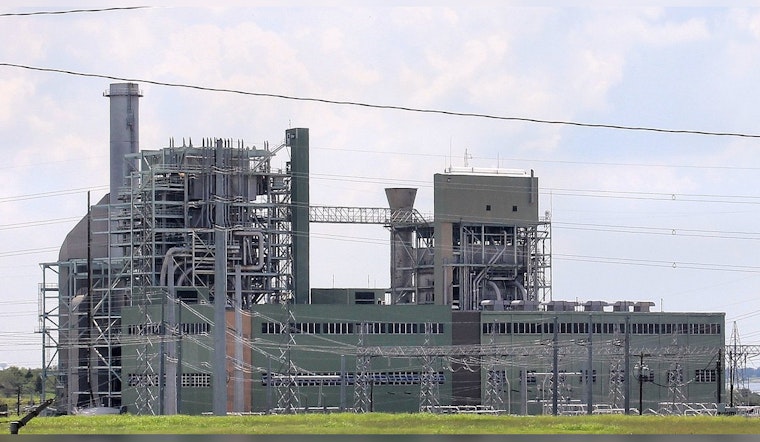
Austin Energy is beefing up its strategy to become entirely carbon-free by 2035, with a strong focus on maintaining reliability even during the most challenging of times. According to an Austin Monitor report, the city's power leaders are factoring in extreme weather events, the retirement of the Fayette Power Project, and the obstacles of a volatile energy market in their planning process.
Discussing serious concerns, like grid congestion costs and a surge in power demand, Lisa Martin—Austin Energy's COO—highlighted the importance of keeping the lights on while transitioning to a more sustainable energy future. Given at a December meeting of the Council’s AE Utility Oversight Committee, Martin's presentation elucidated how the utility juggles various technological solutions to remain steadfast. Austin Energy intends to leverage local solar power, distributed storage, and even natural gas as a momentary solution to meet the city's growing energy needs, as Martin put it.
With Martin emphasizing the necessity of "local dispatchable generation with a bridge to carbon-free," Austin Energy's planned mix includes six technologies geared to meet goals under multiple foreseeable scenarios. From these, eleven tested scenarios, featuring a green hydrogen plant at an $838 million cost, point towards a financially diverse future with cost projections swinging up to more than $1.8 billion.
Facing the utility’s assumptions, Council Member Ryan Alter required more insights into why some carbon-based generation might be needed temporarily. Seeking more clarity, in a discussion about Austin Energy’s resilience during extreme weather conditions, Vice President Michael Enger told the Austin Monitor, “We also source our natural gas from many different parts of the state, not just up in the Panhandle where you saw a lot of the freeze-offs occur,” trying to minimize the risks of supply issues.
The next steps for Austin Energy involve a February rendezvous with the Electric Utility Commission to approve the new generation plan, followed by Council discussions in March. While city leaders sharpen their pencils on the specifics, Council Member Alison Alter expressed a desire to grasp the nuances of Austin's carbon-free journey. "The sooner we have the carbon-free, the better it is for our air quality here in Austin," she articulated the urgency of the issue.




