

























































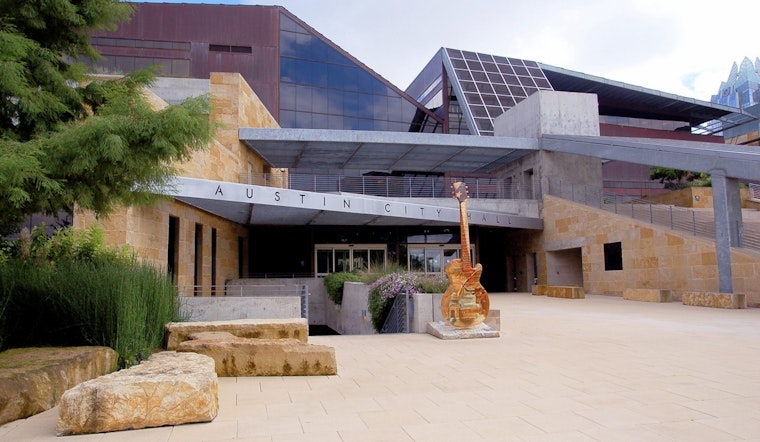
Efforts to overhaul the ethics commission in the city have hit a roadblock at the Charter Review Commission meeting after Commissioner Betsy Greenberg's motion to establish a working group was left unsupported. Greenberg's proposal, which aimed to elevate the ethics commission into a stand-alone entity, hinged on recommendations from the group's 2018 findings. She highlighted during the meeting that no cases have seen a final hearing in the last two years, attributing the issue to split votes, code misunderstandings, and public-filed inaccurate complaints, as reported by The Austin Monitor.
Among the stark criticisms of the current system is the requirement for the public to only be able to file complaints, which has led to numerous uninvestigated violations. Greenberg referenced a report exposing that a number of candidates failed to submit financial disclosures, potentially hiding conflicts of interest, and no resulting complaints were made. The four entities currently in charge of ethics-related matters in the city — the city attorney, the city clerk, the city auditor, and the Ethics Review Commission, all are appointed by or answerable to the City Council.
The proposition from 2018 aimed to consolidate these entities into a single, independent commission, with appointments made in a similar fashion to the redistricting commission. This new body would not only have its own staff and a director but would also come with term limits and constraints on access for lobbyists, candidates, and political consultants. Commissioner Greenberg believes that "an independent ethics commission that's free to operate without fear or favor would help us achieve this goal," a sentiment she expressed during her presentation.
However, disagreements persist even within the current commission. Jessica Palvino, Chair of the Charter Review Commission, pointed out that the 2018 recommendation still had significant dissent, especially in terms of how commissioners would be appointed. Meanwhile, Assistant City Attorney Caroline Webster suggested that the proposal could potentially be implemented without a charter amendment but remarked that codifying it in the city charter could prevent easy alterations in the future. Commissioner Julio Gonzalez Altamirano, on the other hand, raised concerns about the removal process for independent ethics commissioners and the potential risks of affording them extensive powers without sufficient oversight.
With these divergent opinions and challenges, the proposition for an autonomous ethics commission remains a contentious issue. As the debate continues, Austin's search for a transparent and accountable ethical governance structure is far from over, underscoring the city's complex dance with integrity and the mechanisms meant to safeguard it.





