

























































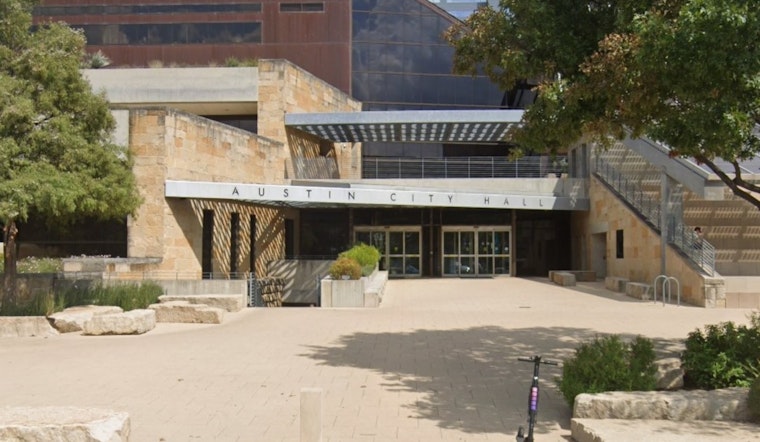
The debate on how to revamp the city's petition process rages on within the Charter Review Commission as they scramble to finalize recommendations for the City Council, but consensus remains elusive. According to a report by The Austin Monitor, the current predicament hinges on whether to increase the number of signatures needed to get proposed policies on the ballot, possibly switching from a fixed number to a percentage of registered voters, and adjusting the timing of elections.
As it stands now, any individual or collective in the city can initiate a policy change via ballot upon gathering 20,000 signatures, this is true for both city charter and code changes, the latter's requirement being significantly slashed from roughly 60,000 signatures in 2012, but what they grapple now with is whether keeping this gateway to direct democracy wide open invites frivolity or strengthens civic engagement. The commission had once floated the idea of a hefty 50,000-signature threshold for emergency petitions that called for elections at the next possible date, but working group member Cynthia Van Maanen told The Austin Monitor, "If you've got the money, you're going to be able to get those signatures...I don't foresee that working out the way that it had been written."
Shifting the focus to a percentage-based threshold saw some favor among commissioners with a proposed 5 percent of registered voters, translating to about 29,000 signatures – a middle ground considering that the state-mandated 20,000 signature requirement for charter changes remains unalterable by city authorities. During the deliberations over whether a lower cap might demean the charter or whether it would embolden it, Commissioner Julio Gonzalez Altamirano advocated for the percentage pivot, emphasizing its resilience to population shifts without undergoing the arduous charter revision process.
Altamirano also proposed a reinterpretation of the law to extend charter revisions to potentially every three years, but Assistant City Attorney Caroline Webster responded with caution, "Legally, you could do that," and she added, "I would think that there would be a good chance the petitioners would sue us and I don't know if we would win that or not...Courts tend to be election-friendly. They want people to be able to vote." as detailed in The Austin Monitor report.
Meanwhile, Commissioner Betsy Greenberg remained a staunch defender of the lower signature requirements, claiming that raising barriers hurts grassroots efforts and benefits monied interests, telling The Austin Monitor, "To me, if you make it more difficult to do petitions, you’re just hurting grassroots organizations. The ones with the money will always be able to do it. I think it’s really important we don’t deviate from state law."
The working group also came to a unanimous vote in favor of moving referendum and initiative elections to November, setting clear rules for conflicting ballot proposals and altering proposition identification to prevent confusion. As these changes and others stew in the pot of civic process, they'll next be subjected to the city's public heft via town halls, dates unannounced, before facing the scrutiny of an upcoming charter election, where the City Council's thumb on the scale of democracy will reflect its ultimate yes or no.





