

























































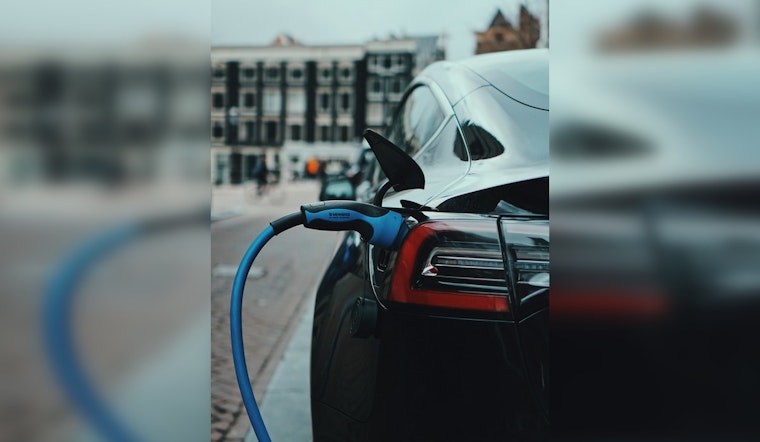
In Austin, Texas, where the mercury is plunging, electric vehicle (EV) owners are facing a harsh truth as their car's battery ranges suffer in the cold. A study by AAA has found that EVs can lose about 40% of their range as temperatures drop from a moderate 75 degrees to a frigid 20 degrees Fahrenheit, as cited in the Austin American Statesman report.
The shortened driving distance, due to the drop in lithium-ion battery capacity and the higher energy needed for heating the vehicle's interior, translates into more frequent charging sessions. According to the same study, in cold weather, owners might see the range of their EV plummet from 100 miles of normal combined urban/highway driving to just 59 miles. Moreover, this increased charging necessity paves the way for an additional $25 expense per 1,000 miles driven.
But it's not just a dip in the thermometer that is cause for concern among eco-conscious drivers. According to a FOX Weather report, the warmth of the Texas summer also poses a threat to battery life. While less drastic than the cold, heat can reduce the EV range too, with a loss measured at around 17% when the temperature hits a steamy 95° Fahrenheit.
The dilemma for EV owners is not exclusive to the State of Texas. "Cold weather impacts the chemical reaction in the lithium-ion battery, which powers an electric vehicle" Robert Sinclair, a AAA spokesperson, told FOX Weather, "and it also affects a lead-acid battery that starts the engine in a gas-powered car." With the mass of the batteries typically seated beneath the floor, electric cars sometimes gain an edge in snowy conditions thanks to the additional weight that aids in traction, a factor supplemented by potential investment in quality winter tires.
Even as the cold affects battery performance, Sinclair advises EV owners to employ strategies such as "preconditioning" the battery or warming up the car for about 20 minutes before driving to ensure the battery operates optimally. These measures, as detailed by AAA, could mitigate the adverse effects of harsh weather on the vehicle's efficiency, maintaining both the battery's charge and the vehicle's overall functionality during the winter months.
Conversely, gas-powered vehicle drivers are discouraged from letting the engine idle to warm up. As Firestone Complete Auto Care explains on their website, modern vehicles with fuel injection systems are better off being driven soon after the engine is started, thereby preserving the engine's health and reducing environmental impact.



