

























































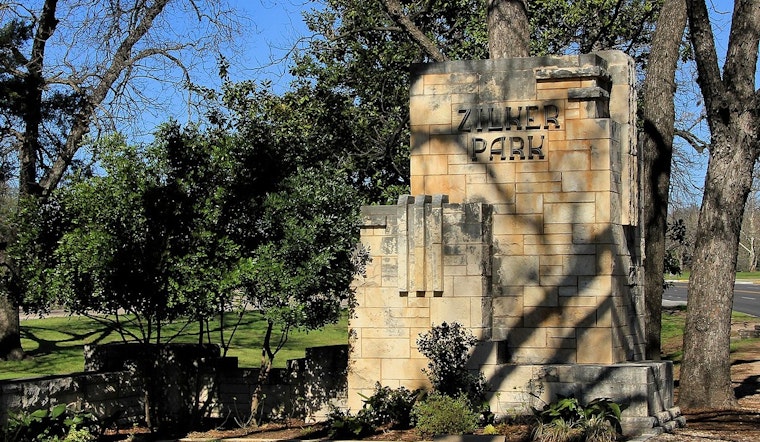
Residents of Austin can expect to see some drilling activity at Garrison and Zilker parks this month as the Barton Springs/Edwards Aquifer Conservation District gears up to plant two new scientific wells, aimed at collecting valuable data on water quality and levels in the Edwards Aquifer. These wells are part of a concerted effort to safeguard Barton Springs and the endangered species that call it home, according to a release from the district.
The well at Garrison Park will be a standard monitoring fixture situated near the northwest side of the municipal pool. It has a mission to gather data related to the aquifer’s water levels and quality. Down at Zilker Park, the district is going a step further, installing a multiport well that can monitor several aquifer zones. This advanced apparatus will provide a deeper insight into groundwater characteristics crucial to the survival of the Barton Springs and Austin blind salamanders, species currently under threat. In a statement obtained by the Austin Monitor, staff hydrogeologist Jeff Watson detailed the multiport well’s capabilities for gathering discrete data at different aquifer levels.
Watson explained, "It’s kind of like an elevator that goes up and down the thickness of the aquifer, and you can stop at different levels of the aquifer and collect discrete data." The focus is on creating a profile of the aquifer and measuring dissolved oxygen, a "key environmental factor for salamander survival." The wells also enable the study of water levels, hydraulic pressure, and water quality, much-needed data for understanding the spring system and the flow of dissolved oxygen throughout.
This fulfills a federal and state mandate requiring the city of Austin and the district to protect these endangered creatures. With Central Texas currently crippled by a severe drought, the dissolved oxygen their watery habitat has to offer is dwindling. The new multiport well could prove pivotal in determining viable strategies, like oxygen augmentation, to boost the declining levels of dissolved oxygen at Barton Springs—essential for the salamander’s continued existence, Watson told the Austin Monitor.
While the drilling process may momentarily disturb the local aquatic environment, causing temporary turbidity in the Barton Springs Pool as sediment plumes might discharge from the spring outlet. The district reassures that any drilling fluids and sediment are nontoxic and pose no harm to swimmers, fish, or salamanders. "It would be temporary if it did happen," Watson said. "And really the only impact is that it would affect the cloudiness of the water for a little while until that sediment plume kind of got pushed through the system."
The project is a delicate balancing act—intervening in a natural space to preserve and protect it. Watson and the district maintain that the benefits of the wells, in providing insight and data, outweigh the temporary inconveniences of the installation process. With the equipment set to roll in over the next few weeks, Austin's natural treasures and their tiny, endemic guardians may soon be enjoying a brighter, more secure future.




