In a miraculous twist of fate, technology has proven once again to be a lifesaver, quite literally, for a retired Air Force veteran involved in a brutal motorcycle crash in Gilbert. Michael Brennan, who hung up his uniform after two decades of service in September 2023, nearly lost his life in a collision shortly thereafter. Accustomed to texting his wife before hitting the road, it was his iPhone's automatic response that played guardian angel in his time of need.
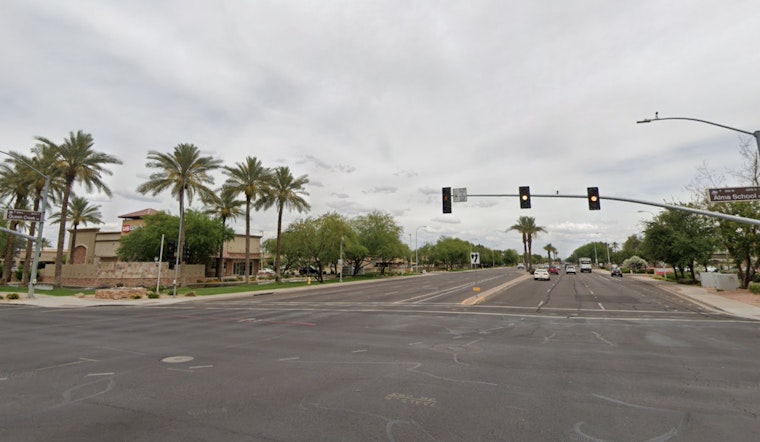
According to FOX 10 Phoenix, Brennan's crash took place at the intersection of Queen Creek and Alma School roads when another driver's decision at a flashing yellow light led to the catastrophic event. Brennan, whose memory of the incident is blank, had alerted his wife, Sheena, at exactly 5:13 p.m. with, "Headed home, babe." Mere minutes later, at 5:20 p.m., she received the automated alert that would spur lifesaving measures. His iPhone, equipped with the latest 'Crash Detection' feature, had contacted first responders automatically, "You know, my phone, to my knowledge, was the first phone call that 911 had received," Michael recounted in the interview with FOX 10 Phoenix.
Apple's 'Crash Detection' feature is available on iPhone 14 models and later, as well as on the latest Apple Watch devices. When a severe crash is detected, the technology triggers an alarm, initiates an emergency call after a 20-second delay if the person is unresponsive, and informs emergency contacts, as detailed in an article on Apple's support page. Brennan had sustained injuries that required open-heart surgery, with a five-week intensive care unit stay to follow, three weeks of which he spent unconscious.
"The response time, since they got there so fast, they got him there enough to treat him, and keep him calm, and put him on the meds he needed to make sure his blood pressure stayed low, his heart rate stayed low, so it didn't burst, and they told me only 2% of people even make it to the hospital. Most people die instantly," Sheena told FOX 10 Phoenix. It's a chilling reminder of mortality, made stark amidst the advanced algorithms and sensors that govern our smart devices. But for Michael Brennan and his family, these features extend beyond the digital into the realm of second chances.
The Brennans hope their ordeal can spotlight the critical importance of such features. As Michael himself guided in the FOX 10 Phoenix interview on how to set up the essential service, "Settings and then scroll down to the emergency service and then call after severe crash and then set your emergency contacts." It's a simple act, one that could make the difference between life and loss. Today, Michael Brennan is not just a survivor but a messenger emphasizing that, within our phones and watches, lies a capability potentially as pivotal as any lifesaving drug or medical procedure.