

























































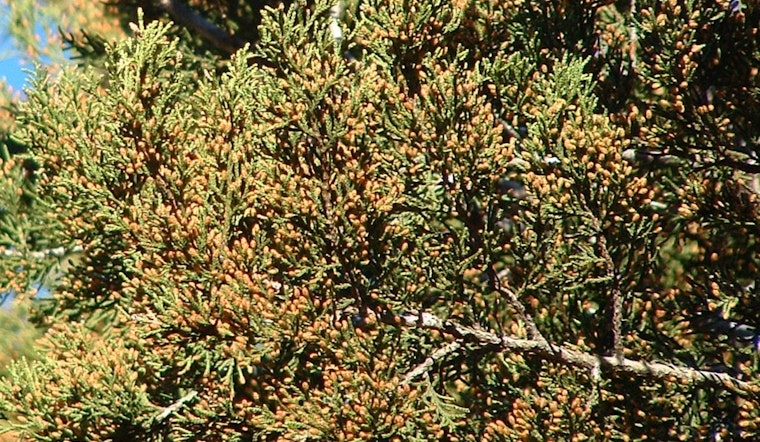
Texas is grappling with its annual bout of cedar fever, a respiratory ailment caused by pollen from local mountain cedar trees. Residents across Central Texas are contending with the sneeze-inducing menace, prompting health experts to offer advice on combating the pesky symptoms.
According to a KVUE report, this season's pollen counts have soared to surprising highs, with allergist Dr. Allen Lieberman reeling at the figures. "Fifteen thousand? Oh my God, that's incredibly high," Lieberman said. He advised those affected to "go load up for the next four to six weeks" on a combination of antihistamines and nasal sprays. Furthermore, he dismissed the home remedy of consuming local honey, clarifying that since "bees don't pollinate cedar trees," bee pollen isn't an effective treatment for cedar fever. Instead, he suggested wearing masks outdoors as an additional precaution.
The onset of cedar fever is aggravating residents, some experiencing this phenomenon for years since their arrival in Texas. Austin Jacobs, a local who moved to Texas seven years ago for university told KVUE, "I came here seven years ago to go to UT, and that was the first time I started experiencing some amount of allergies."
Meanwhile, Texas A&M Forest Service Central Texas Operations department head Jonathan Motsinger explained the prevalence of cedar fever in the region. “With the quantity and density of Ashe junipers in Central Texas, all producing pollen at the same time, the concentration of pollen in the air causes cedar fever,” said Motsinger. He also noted that the unique timing of juniper pollination during winter can often lead people to misdiagnose their cedar fever as a cold or the seasonal flu.
While cedar fever shares symptoms with common respiratory illnesses, including fatigue and sore throat, those affected won't usually run a higher fever than 101.5 degrees. Texans seeking relief from the seasonal scourge are encouraged to take allergy medication, keep windows closed on heavy pollen days, and frequently upgrade their air filters. Managing cedar fever is more about prevention and symptom control than finding a cure, and with juniper trees in full pollinating swing, it's essential to stay vigilant against this unwelcome seasonal visitor.





