

























































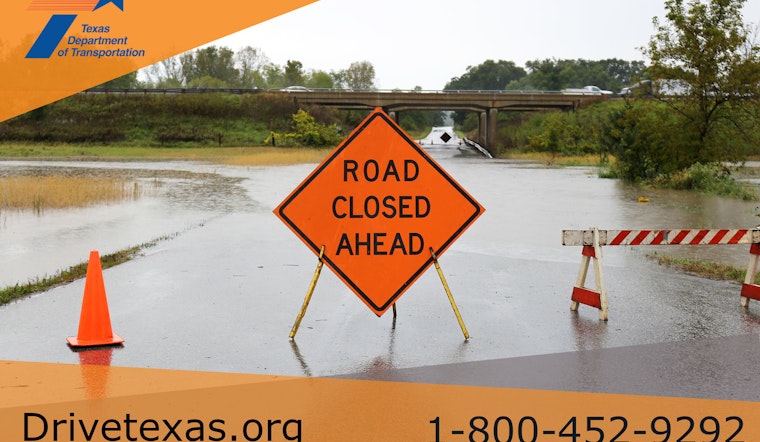
Torrential downpours have put Central Texas on alert as over 30 roads have been hastily closed due to the rising threat of flash flooding from Georgetown to San Marcos. As reported by The Austin American Statesman, an impressive 2.9 inches of rain deluged Austin before 8 a.m. on Monday, breaking a new daily record.
The National Weather Service is forecasting more heavy rainfall to persist through Wednesday, with some Central Texas locales potentially receiving over 4 inches of precipitation. Currently, Austin and its environs are squaring off against Mother Nature as low water crossings in areas such as western and southern Austin have been closed, per ATXFloods' reports.
We are now up to 57 https://t.co/FI520H5plj low-water crossings in the area CLOSED.#BeWeatherAware #KnowBeforeYouGo #TurnAroundDontDrown pic.twitter.com/d0AJtlhU8W
— ATCEMS (@ATCEMS) January 22, 2024
For Austin residents braving the downpour, civic responsibility comes with a mantra: "Turn around, don't drown." Echoing this sentiment, KVUE insists that finding an alternate route is paramount upon encountering water-swept roads. In fact, a mere 12 inches of water can have the strength to sweep away a vehicle.
The Texas Department of Transportation and ATXFloods offer vital, up-to-date information through their interactive maps on road and crossing closures. By 8:30 a.m. Monday, ATXFloods' map showed 53 crossings shuttered due to the rainfall. Meanwhile, DriveTexas.org provides a bird's-eye view of highway conditions, helping Texans to navigate their way safely during stormy conditions. Drivers are reminded to exercise extreme caution and to treat any non-operational traffic signals as four-way stops.
Fortunately, despite the closures, Austin-Travis County Emergency Medical Services, as spokesperson Rachael Lewis stated to The Austin American Statesman, "has not seen an uptick in calls related to flooding." With temperatures set to remain above freezing, icy conditions won't add to the city’s woes, though vigilance against pooling water on roads remains critical.



