

























































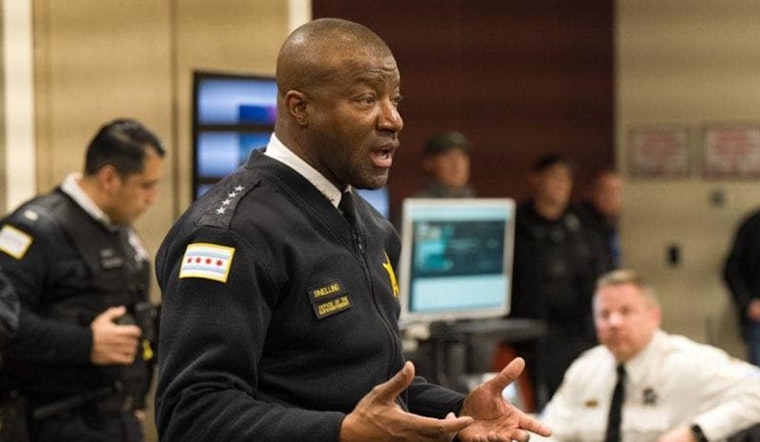
In a surprising twist of legal action, attorneys for Chicago Police Superintendent Larry Snelling are seeking to overturn a recent Chicago Police Board decision that acquitted Officer James Hunt of alleged misconduct during unrest in 2020. Cook County court records revealed that a complaint for administrative review was submitted in late November, as reported by the Chicago Tribune, marking a rare instance of the city's police leadership challenging the board's ruling.
Officer Hunt faced scrutiny over his conduct during an arrest amidst the chaotic protests following the death of George Floyd. He was initially accused of violating multiple department rules, but the Chicago Police Board voted to not guilty him on almost all charges, citing his actions as "the best way he saw fit" to ensure safety under the circumstances. Nonetheless, some board members condemned Hunt's behavior as rash and uncalled for, and the ongoing legal challenge to his acquittal adds another layer to the managing of police oversight in Chicago.
Hunt's attorney, James McKay, condemned the city's renewed attempts to dismiss the officer. McKay stressed the absence of a factual basis for the actions taken by the lawyers representing the superintendent and urged Snelling to put an end to the legal pursuit. This recent development takes place amidst intense debate over the city's police discipline system, following rulings on disciplinary arbitration rights for officers accused of serious misconduct. A decision by arbitrator Edwin Benn in favor of allowing third-party arbitration has only added to the complexity of the situation.
According to CBS Chicago, the charges against Hunt also involved a complaint that he had broken a window of an arrestee's car without probable cause, struck the individual, and made derogatory remarks. Sharon Fairley, a University of Chicago professor, highlighted the inherent problems in the delay between the initial investigation of an officer's conduct and the adjudication before the police board, saying, "What happens when time elapsed, memories fade, right?" Police board decisions are traditionally subject to appeal in the Circuit Court of Cook County, paving the way for Superintendent Snelling's current legal action.
The case brings into question not only Hunt's future with the CPD but also the effectiveness of current accountability systems in place for police officers. As Hunt remains on no-pay status, the implications of this challenge extend beyond the individual case, potentially impacting the broader discourse on police reform and public trust in law enforcement. This action underscores the tension between the need for quick and decisive accountability and the procedural safeguards established for officers.





