

























































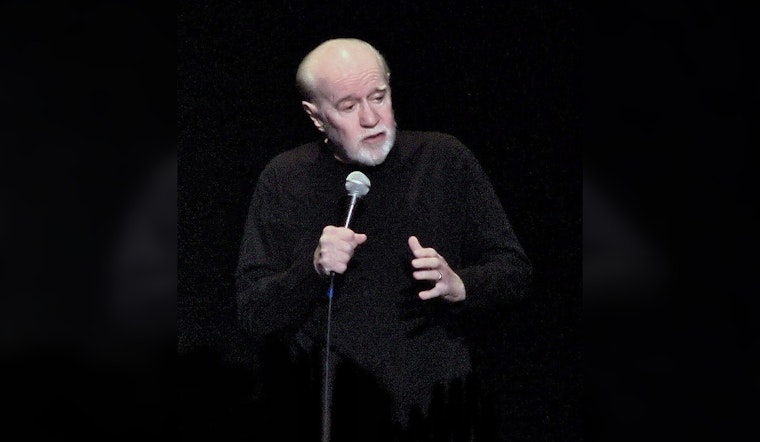
The late George Carlin, a titan of stand-up comedy known for his incisive social commentary, has once again hit the headlines, but this time of a legal battle. The comedian's estate has launched a lawsuit against Dudesy, a media company, for creating an AI-generated "George Carlin special." According to The Guardian, the special, titled "I'm Glad I'm Dead," was allegedly stitched together using Carlin's distinctive voice and material, despite him having passed away in 2008. The legal move seeks to remove the special from public access and to seek damages from the defendants, Dudesy and its podcast hosts Will Sasso and Chad Kultgen.
As FOX 5 Atlanta reports, Carlin's estate filed the lawsuit last Thursday in California, with allegations flying that Dudesy used Carlin’s copyrighted work without permission, creating a script for a fake Carlin comedy special and a "sound-alike" of the comedian to perform the script. The lawsuit includes 20 John Does—five creators linked with the AI program and 15 individuals connected to the "creation, production and sponsorship" of the special.
Not the first controversy of its kind for Dudesy, the company previously walked a similar tightrope when creating an AI-generated Tom Brady performing in a stand-up comedy routine. That special was taken down after Brady's threat to sue. In response to the current lawsuit, Kelly Carlin, the comedian’s daughter, made her position crystal clear, stating, "My dad spent a lifetime perfecting his craft from his very human life, brain, and imagination. No machine will ever replicate his genius," according to legal documents obtained by FOX 5 Atlanta.
The defendants have yet to file a response to the lawsuit, and attempts to reach them for comment have not been successful thus far. Amid broader concerns about the ethical use of AI in resurrecting celebrity personas, the case stands as a harbinger of potential conflicts to come. Josh Schiller, the attorney representing Carlin's estate, framed the issue: "case is not just about AI, it’s about the humans that use AI to violate the law, infringe on intellectual property rights, and flout common decency," in a statement to The Guardian.



.jpg)