

























































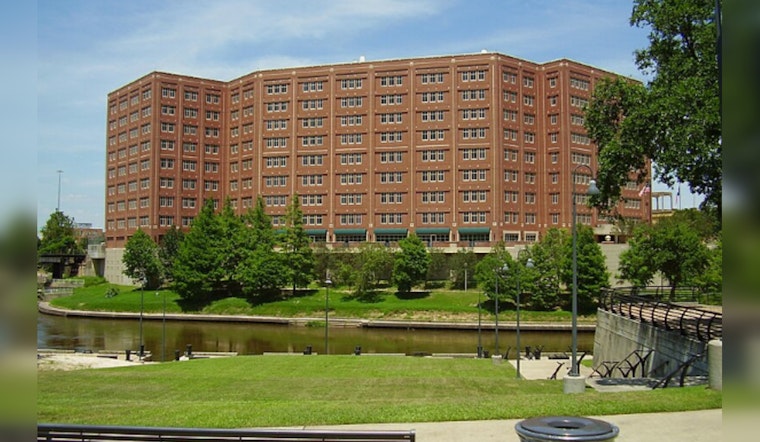
The Harris County Sheriff's Office Jail has made strides in addressing the needs of inmates with mental health issues. In a recent X update, Sheriff Ed Gonzalez boasted a 90% success rate in competency restoration for inmates through a program known as Jail-Based Competency Restoration (JBCR). The initiative, which has expanded its bed capacity from 20 to 70, has garnered attention at both the state and national level for its effectiveness in dealing with justice-involved individuals grappling with behavioral health concerns.
During the pandemic, inmates declared incompetent to stand trial faced an onerous wait of around 500 days for treatment from the State Hospital System. However, the JBCR program has dramatically reduced the average stay to just 55 days, indicating rapid intervention and a significant reduction in the backlog of cases needing mental health services.
The program, which was made possible through increased state and county funding, has been operational in collaboration with The Harris Center, the Public Defender's Office, and other county legal and administrative entities. According to a post from Sheriff Gonzalez, the JBCR has exceeded the state minimum requirements by admitting 145 individuals by the end of 2023, maintaining an impressive restoration rate of 90%.
Historically, county jails have served as de facto mental health hospitals.
— Ed Gonzalez (@SheriffEd_HCSO) January 25, 2024
Last year, our Jail Based Competency Restoration (JBCR) Program saw tremendous growth in the areas of program expansion and extending services to justice-involved individuals
1/6
Reflecting on the program's success, the sheriff highlighted the multifaceted partnership that made these results possible. Among the acknowledged are the Harris Center, the Houston Defense Bar, the District Attorney's Office, the Commissioner’s Court, and various other judicial departments. This collaborative effort has not only provided inmates with necessary mental health services but also facilitated speedier trials through restored competency.
The JBCR program's approach also suggests a shift in how the criminal justice system can better serve those with mental illness, who have long been caught in a cycle that often neglects their specific needs. Harris County's initiative may serve as a model for other counties grappling with the complexities of mental health within the criminal justice framework and signal a new direction in the humane treatment of inmates.





