

























































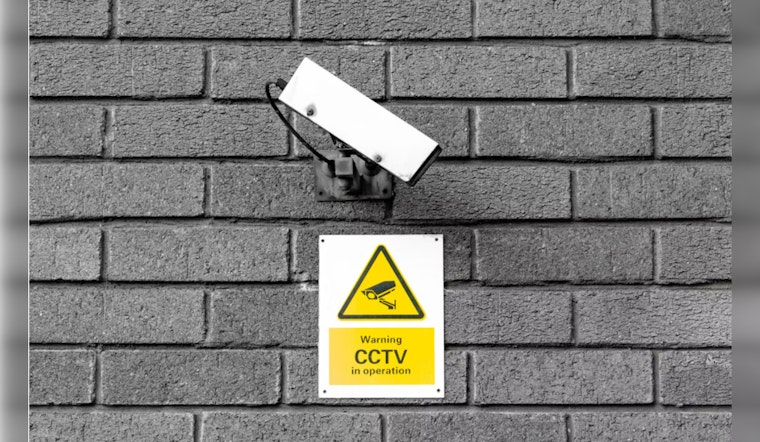
Houston is encouraging residents and business owners to step up their security game by installing cameras and license plate readers. The East Aldine Management District in north Harris County has already approved a plan to spend nearly $1 million over five years on 60 Flock Safety cameras, which notify law enforcement of license plates tied to crimes, as reported by the Houston Chronicle. Lt. Mike Santos, a sheriff’s office deputy, expressed his support for the technological advancement, saying, "The days of chasing criminals the old fashioned way is over, we’re not on horses anymore."
Expressing a similar sentiment was Houston Police Chief Troy Finner, who is pushing for more installations in the city to combat a lagging police force. As mentioned by the Houston Chronicle, with a budget hovering around $293 million and about 2,200 sworn personnel for a population of 2 million, Houston's law enforcement is looking for alternatives to traditional boots-on-the-ground patrolling.
However, the move to more pervasive surveillance has not come without pushback. Savannah Kumar, an attorney with the American Civil Liberties Union of Texas, feels these types of technologies could intrude on privacy. "This type of surveillance technology raises privacy concerns," Kumar told the Houston Chronicle. She warns of the potential for misuse and calls for caution when employing automated license plate reader systems.
The city passed an ordinance last April requiring local businesses where crimes frequently occur to record around-the-clock outdoor video surveillance. These establishments, if requested, must relinquish their recordings to police within 72 hours without a warrant, as reported by Bloomberg. Businesses that fail to comply with this rule, part of Mayor Sylvester Turner's One Safe Houston initiative, could face fines up to $500 per day. Critics say the policy fails to account for the financial burden on small businesses and worries about its constitutionality. "Warrants help to ensure that police action is supported by probable cause," Kumar argued against the ordinance.
Houston joins a nationwide shift in the way surveillance technology is governed.




