

























































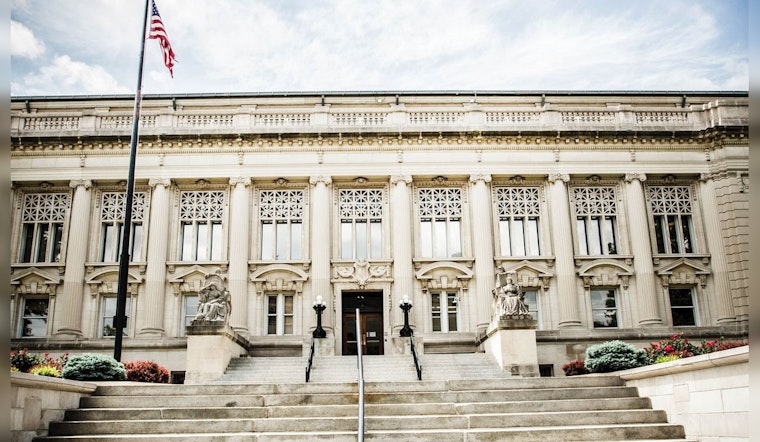
Illinois' appellate court system is reeling from a surge of appeals in the aftermath of the state's elimination of cash bail, as individuals challenge orders that keep them behind bars or impose restrictive terms for their release. According to The Chicago Tribune, more than 1,300 appeals have been launched since September when the Pretrial Fairness Act came into force, ending cash bail. The state's highest court has responded to this "dramatic increase" by assembling a task force to scrutinize the barrage of cases flooding the appellate courts.
Since the law took effect on Sept. 18 through year's end, the influx of pretrial appeals of detention decisions has added significantly to the court's regular workload, with the total number of criminal appeals filed across Illinois' five appellate districts in all of 2022 being 1,981. The Chicago Sun-Times notes the Fourth District Court, for example, recorded more than 430 appeals, indicating courts are seeing a far greater number of these specific types of cases, even while their overall case numbers may be lower.
Appellate justices across the state are working overtime, zigzagging through this new legal labyrinth since cash bail was cut out of the criminal justice system's fabric. Critics argue the new system, despite being hailed as a more equitable approach, might prolong the time defendants spend waiting for resolution. Stakeholders like Sharlyn Grace, a senior policy adviser for the Cook County public defender’s office, told The Chicago Tribune, "Appeals are how we learn how the law applies to real people and real fact patterns," signaling that while the current volume is high, it's anticipated to decline as the law gets further clarification through these initial cases.
In Cook County, which had the fewest pretrial appeals in its district at 161, local efforts have previously established a groundwork similar to the new framework. This familiarity reportedly contributes to smoother applications of the Pretrial Fairness Act in contrast to other districts, with county representatives suggesting that coordination between the judiciary and public defender's office and judicious case selection by prosecutors have all played a role. The design of the Pretrial Fairness Act is such that defendants are expected to be released while awaiting trial, with detention being a last resort and reserved only for situations where prosecutors can demonstrate a risk to public safety or a likelihood of the defendant not appearing at future hearings.
The appeals procedure is an essential process for ironing out the wrinkles of this legislation, as appellate courts overturn or affirm lower court decisions, honing the letter of the law with every gavel fall. As reported by The Chicago Tribune, this produces legal precedents that will guide courts and attorneys, potentially easing the load of appeals in the future and streamlining the judicial process over time. The Illinois Supreme Court's task force, meanwhile, carries the responsibility of ensuring that the state's justice system can adapt to and absorb the challenges triggered by this landmark reform.





