

























































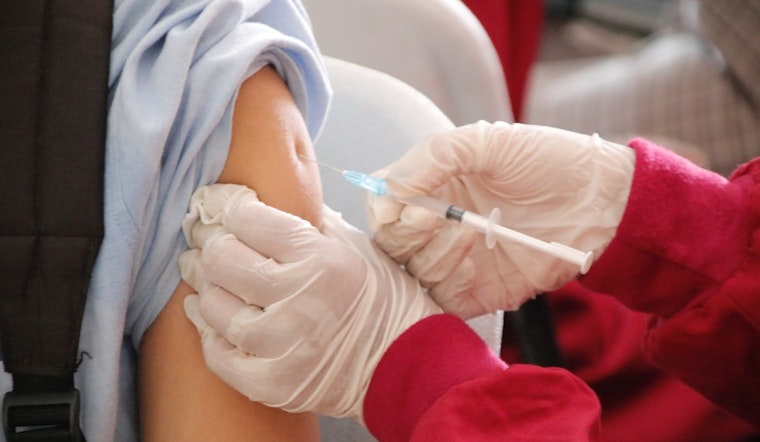
Illinois is dealing with a significant surge in respiratory illnesses, the state health department has warned, urging residents to take preventative measures and seek vaccinations. According to the Illinois Department of Public Health, there's been a jump from Moderate to High in overall respiratory illness levels after the holidays, with COVID-19 hospitalizations escalating in over half the counties.
Public health officials also signaled an alarm over the increasing flu activity, matching the onslaught of the 2019-2020 pre-pandemic season. Amid these growing concerns, only about 24% of adult Illinoisans are up to date on their COVID-19 vaccine, a statistic that raises eyebrows given the circumstances. IDPH has also been investigating pediatric influenza-related deaths, putting a spotlight on the oft-underestimated severity of the flu among young populations.
“The winter holiday season typically results in an increase in seasonal respiratory viruses, and with certain areas of Illinois feeling increased hospital strain,” said IDPH Director Dr. Sameer Vohra, in a statement obtained by Illinois Department of Public Health. He went on to stress the importance of adherence to public health protocols and vaccination as key strategies to combat these surges.
For those suffering symptoms indicative of a respiratory illness, the advice remains unchanged: stay home and avoid contact with others. Additionally, IDPH has rolled out new tools to help the public stay informed, including an Infectious Respiratory Disease Surveillance Dashboard, updated weekly on Fridays, and the 'Tis the Sneezin'' awareness campaign to emphasize the significance of vaccinations against COVID-19, flu, and RSV.
Responding to the crisis, the IDPH has not only made triple-test kits for Flu/RSV and COVID-19 available at no cost to high-risk settings and local health departments but also claims that the federal government's actions to make resources readily available via the covid.gov website can ensure broader public protection.
Amidst the ongoing health struggles, assistance programs like the Bridge Access Program for uninsured individuals and the Vaccines for Children Program aim to provide a safety net ensuring access to necessary vaccines. Illinoisans showing COVID-19 symptoms also have access to telehealth services through the SIU School of Medicine and other avenues, further emphasizing the state's stepped-up approach to curbing the spread of these widespread respiratory illnesses.





