

























































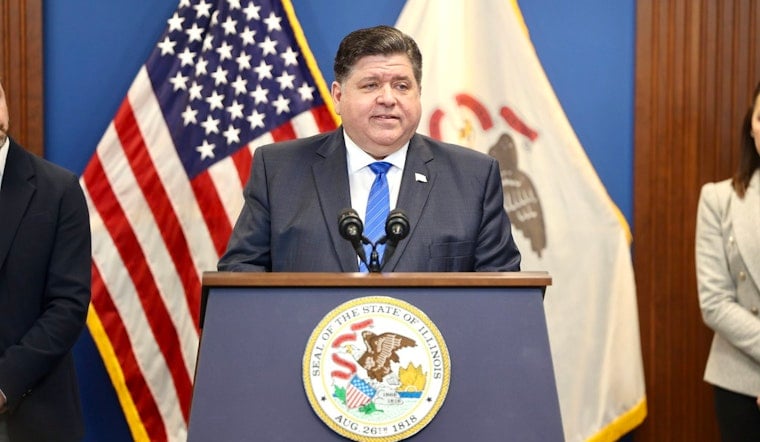
In a landmark victory for the fiscal reform agenda of Governor JB Pritzker, the Illinois Supreme Court has upheld the constitutionality of a pension consolidation law that aims to streamline over 600 local pension systems. This move is expected to enhance investment returns while cutting down costs, providing relief for the state's taxpayers who have long been saddled with the financial burden. The governor, in a statement released after the court's decision, said, "After 70 years of attempts, my partners in the General Assembly and I were able to accomplish meaningful reform during my first term in office."
The legislation represents a significant shift in how Illinois manages local pensions, particularly those for both police and firefighters. Prior to this reform, each fund often operated in isolation, dealing with a myriad of investment managers and incurring excessive fees. According to a statement from the Governor’s office obtained by the Illinois government's news release, this resulted in lower returns when compared to a more consolidated approach. Today's Supreme Court ruling confirmed that this strategy is not only fiscally prudent but also legally sound, giving the green light to a strategy the state believes will bolster financial outcomes.
Proponents have touted the consolidation as a common-sense measure to rectify a fragmentary system that was inefficient and costly. Governor Pritzker highlighted the bipartisan nature of this reform, noting it as a testament to what can be achieved when party lines are crossed for the common good of Illinois residents. "Today's Supreme Court ruling is a victory for Illinois taxpayers, local governments, and first responders," the governor proudly proclaimed.
Critics, however, remain skeptical, suggesting that the complexities of pension reform cannot be solved by consolidation alone. They argue that there is more to be addressed in terms of the systematic challenges facing the state's pension systems. Despite skepticism, the governor's office remains adamant that this change is merely one component of a broader strategy aimed at fiscal sustainability. It represents Illinois' commitment to responsible financial stewardship, with hopes that a bolstered fiscal portfolio will be a key player in the long-term economic security for the Prairie State.




