

























































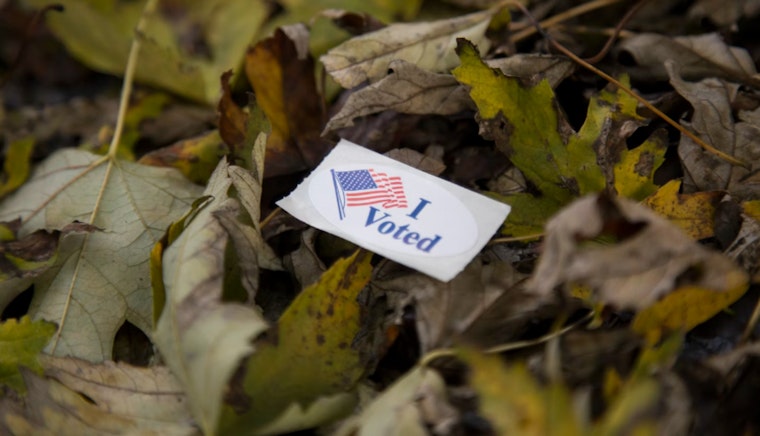
The race for the White House is on as Iowa kicks off the first of the Republican caucuses today, setting the tone for a lengthy battle for presidential nominations. Incumbent Democrat Joe Biden is looking to clinch a second term facing intra-party opposition, while former President Donald Trump leads the GOP pack. To become the Republican nominee, a candidate needs to secure a minimum of 1,215 delegates. The caucuses in Iowa, slated for Jan. 15, play a crucial role in this tightrope walk toward nomination, according to KXAN.
On the Republican side, Trump is trying to fend off several contenders and maintain his lead in the primaries race. Voting results, although less critical than the delegate count, still offer a glimpse into voter sentiment. The Iowa caucuses are expected to both set the stage and to possibly stir the political pot for the GOP. Meanwhile, New Hampshire is up next in the calendar with its primary on Jan. 23. The Democratic Party, eyeing a different calendar, will have its first primary in the Granite State on the same date. Delegates play a pivotal role here as well, with a candidate needing at least 1,973 to become the nominee, reported by KXAN.
With 56 Republican and 57 Democratic primaries and caucuses left, states are gearing up for a season ripe with campaigning and elections. South Carolina is scheduled to be the third state to cast its votes in the Democratic Primary on Feb. 3, as per KXAN.
Connecticut has moved its primary to early April, aiming to gain more sway in the nomination process. This timing decision comes as each state and territory prepares to either hold a primary or caucus to declare their delegate counts for the presidential hopefuls. With the presidential election cycle unfolding, the Republican and Democratic hopefuls are racing to secure their positions, and the next months are critical to their success. An overview of the dates and delegate breakdown per state can be found at the CT Insider website.





