

























































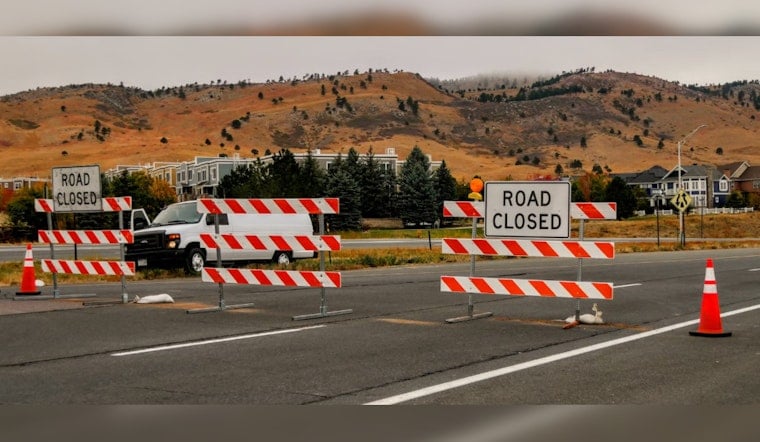
The standoff at the Texas border intensifies as state officials have closed off Shelby Park, a key area in Eagle Pass used for processing migrants. As reported by Fox San Antonio, the Texas Military Department has taken actions that are effectively barring Border Patrol from accessing parts of the Rio Grande, necessary for patrolling and responding to emergencies.
These developments have prompted the Department of Justice (DOJ) to urge the Supreme Court to get involved, accentuating in an overnight supplemental filing that Texas's escalations are hindering federal efforts to handle the border crisis. Senior Customs and Border Protection sources told Fox News, that due to new barriers erected by Texas, Border Patrol agents have been instructed to pull resources back to avoid confrontations, signifying a potential flashpoint in a simmering conflict between state and federal authorities.
Amidst escalating state-federal tensions, the Border Patrol Union is taking a stand with Texas, recognizing Gov. Greg Abbott's control of the border area as a strategic initiative that frees agents to focus on areas with higher illegal crossing attempts. "By taking control of an area where so many illegal aliens are simply surrendering, he's freeing up BP agents to patrol areas with high numbers of illegal aliens who attempt to escape arrest," the Union praised in a post, as obtained by Fox San Antonio.
As border issues tend to strain local resources, Eagle Pass Mayor Rolando Salinas expressed concerns about the impacts on city police and fire departments. "If they're bringing in personnel, that could possibly alleviate city resources so that we can patrol the streets of the City of Eagle Pass, but we don't know yet because this is so new," Salinas told Fox San Antonio.
The DOJ contends that the recent measures by Texas, such as the installation of new wire, fencing, and the blockade of strategic access points, directly contradict previous claims that Border Patrol could access the border without cutting the wire. The legal implications of these actions have been illustrated in a case where the DOJ argues, "Texas has effectively prevented Border Patrol from monitoring the border to determine whether a migrant requires the emergency aid," as noted in their filing to the Supreme Court. The administration views these moves as altering the situation on the ground and reinforcing the urgency for the Supreme Court to vacate the injunction imposed by an appeals court. This injunction was previously upheld to prevent the administration from cutting the wire, which was installed by Texas to curb illegal migration.
The unfolding confrontation reflects a wider dispute between the Biden administration and the state of Texas over immigration enforcement and the control of the southern border. Texas has taken a stance with its anti-illegal immigration law that allows state and local police to arrest illegal immigrants, which has also come under legal scrutiny from the federal government, highlighting the ongoing friction over border security and states' rights.


