

























































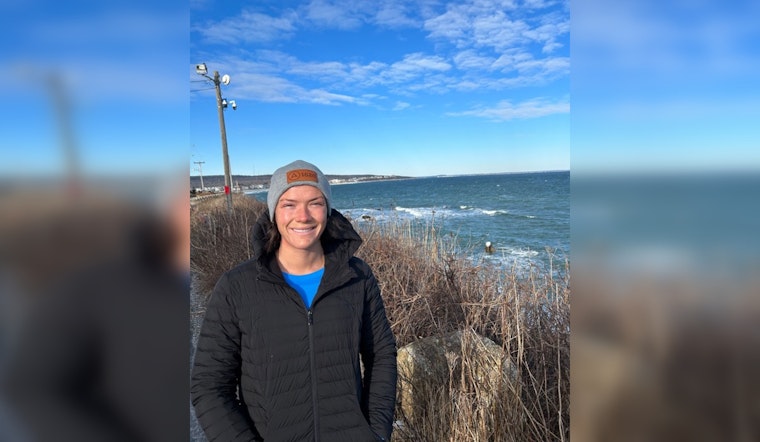
In a heartwarming show of endurance for a noble cause, Massachusetts State Trooper Kaitlyn Burchill is lacing up her running shoes for the Boston Marathon, and she's not just chasing a personal best, she's running to raise funds for kids battling cancer. This former Plymouth police officer is making strides for the charity Cops for Kids with Cancer, an organization dedicated to supporting families hit hard by the devastating financial burdens that come with pediatric cancer treatment.
Burchill's commitment to public service extends beyond her badge. Her upcoming marathon run isn't just a testament to her own grit, it's a chance to mobilize the community of Plymouth and beyond. In an appeal posted on the Plymouth Police Department's Facebook page, the call was made plain: "Please help Cops for Kids with Cancer!" With the simple act of running, Burchill is poised to become more than just another athlete crossing a finish line, she's a beacon of hope in a race where every step counts. The social media shout-out has laid down the gauntlet for locals to show their support, financially, and in spirit.
The move by Burchill to tie her endurance in sport to philanthropy is a particularly impactful one, as the Boston Marathon is not just any race – it represents a storied tradition within Massachusetts and the running world at large. A tradition that now serves as a platform for her to bring attention to families in need. Cops for Kids with Cancer doesn't just talk the talk but walks the walk, funneling donations directly to families, so that parents can focus on what's most important - the health and well-being of their children.
As a rookie at the Boston Marathon, Kaitlyn Burchill carries with her the weight of her cause. Yet, one cannot forget the lighter side of these endeavors: the community's capacity for warmth and generosity. The Plymouth Police Department's post has embodied this spirit, extracting goodwill from tragedy, and transforming that energy into something tangibly useful. Their partnership with Burchill proves that even those charged with enforcing the law can make a substantial impact through acts of charity.


