

























































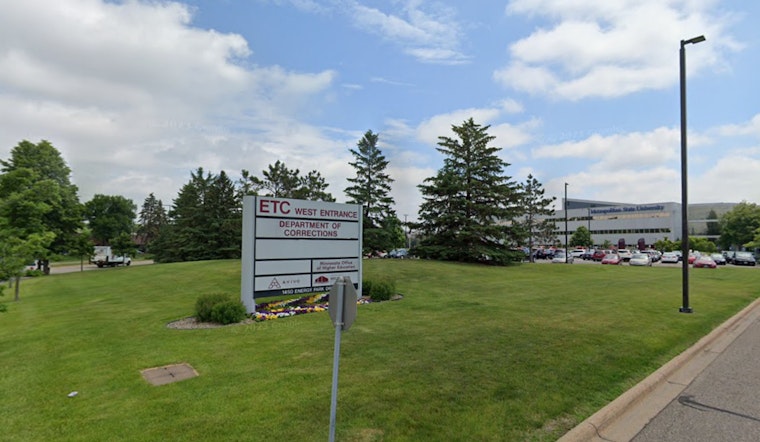
After spending nearly three decades behind bars for a homicide he committed at 15, Adrian Williams could soon find the prison doors opening for parole, Fox 9 reported. A new law by the Minnesota Legislature has paved the way for juveniles convicted as adults and handed life sentences to be considered for parole after 15 years. Williams, who has served 28 years of his sentence, was convicted in the death of 16-year-old Artis Brown Jr. back in 1995.
During an exclusive interview from prison with Fox 9, Williams recounted how the pernicious influence of street life ensnared him early despite having a supportive family. "It didn't affect me because the streets, the neighborhood had me by then," Williams said. "They already had my head." He became one of the founding members of a violent gang in Minneapolis known as "the bogus boys," which spiraled into a slew of criminal activities including money collecting, shootings, robberies, and the murder that eventually put him away for life.
Despite his turbulent past, Williams has since been on a transformative journey. According to a Fox 9 interview, he has enrolled in numerous correctional programs and is nearing the completion of a bachelor's degree. His father's heart attack in 2013 prompted Williams to reflect and amend his ways. "He asked me to just chill out," Williams recounted. "He was like, ‘I don't want to see you in prison like you are, you're always in segregation… If you're going to be in there, at least be the best person you can be.’"
Williams' case, however, has complications dating back to his original trial. In documents reviewed by law-library-stat, Williams' appeal was denied despite allegations of late disclosure of evidence and juror misconduct. During the trial, Juror C.C. had declared himself a white supremacist in an attempt to dodge jury duty, raising concerns about the jury's impartiality. Furthermore, vital witness statements about the circumstances leading to Brown's shooting argued to show negligence in investigating alternative theories, were excluded as hearsay, influencing the trial's outcome.
The decision to grant Williams parole now rests with DOC Commissioner Paul Schnell. If paroled, Williams expresses a desire to pursue a career in law, guiding troubled youth and juvenile inmates. He acknowledges the enduring pain of the victim's family, having personally met some of Brown's brothers in prison. "I would apologize. It was sad. I made a bad choice, and I’m sorry," Williams conveyed remorse over Brown's death. His views on the justice system reflect a mature perspective, advocating for extended juvenile probation to better reform young offenders. Schnell's upcoming decision could potentially undertake a "stepdown" process, including transitioning Williams to a halfway house with GPS monitoring, indicating a progressive shift in addressing juvenile rehabilitation.





