

























































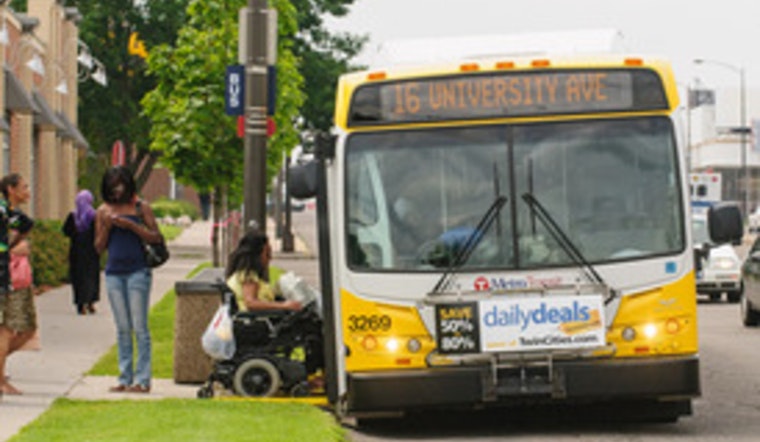
The Minnesota Department of Transportation (MnDOT) is taking strides to ensure transportation equity, recognizing that historically underserved communities — including African Americans, the disabled, and immigrants — have faced disproportionately negative impacts from past transportation decisions. An eye-opening report detailed one-on-one interviews within these communities, capturing the reliance on transport for essential needs such as employment and healthcare, as well as the challenges encountered with cars and public transportation that are all too often inadequate for their needs.
In the in-depth MnDOT study published this December, participants also used an app to record their travel experiences, highlighting the hurdles they face daily. Recommendations to improve these conditions were outlined, ensuring that strategies are in place to combat the unique barriers each community faces. "All communities reported relying on transportation for employment, healthcare, shopping for necessities, family and community connections, and religious or spiritual needs," the report highlighted the critical role transportation plays in their lives.
Moreover, MnDOT's commitment to bettering road conditions has led to innovations in pavement construction, specifically targeting improvement of centerline joints in paving to avoid costly maintenance down the line. Advanced technologies have been implemented to measure pavement density in real-time, ensuring the longevity of the infrastructure projects. In trials from Minnesota and Michigan, this method has proven its worth, facilitating stronger, more durable pavement, according to their report.
On the safety front, MnDOT has developed guidelines to assist city officials with revising speed limits, this cut-and-dry roadmap is designed to substantiate decisions on changes and to evaluate the effects of such changes on driver behavior, with a focus on lowering pedestrian and bicycle collisions, the safety report indicates. However, a review of increased speed limits on two-lane state highways showed a complex outcome with an 8 percent reduction in total crashes, interestingly paired with a 15 percent uptick in combined fatal and serious injury crashes. The policy shift has been distilled into numbers that reveal the sometimes obscured trade-offs of public safety policy.
To top off their efforts, MnDOT is looking to add fresh talent to its communications team. The agency seeks a student versed in Communications, Marketing, Journalism, or a related field, aiming to inform the public and industry professionals on evolving technologies, policies, and advancements in the transportation domain. Details on the student worker role can be found through their job listing.





