

























































While Portland grappled with an ice storm this week, local nonprofits managed to turn a potential crisis into an opportunity, redirecting nearly-wasted food to those in need. In the wake of hazardous conditions that shuttered businesses and rendered roads perilous, groups like Milk Crate Kitchen rallied to salvage excess food and transform it into meals for the hungry. Michael Casper, the group's founder, jumped into action when his organization received word from a Northwest Portland shop with a surfeit of 30 pounds of bagels. "It was unfit for us to drive in Northwest," Casper told Oregon Public Broadcasting. However, they found a way. "But we knew somebody in the Northwest corridor that could walk over there and pick them up."
Restaurants and grocery stores are amongst the hardest hit during such storms, often leading to an abundance of food at risk of being discarded. Nonetheless, Milk Crate Kitchen, an organization that usually provides 300 free gourmet meals a week using mostly recovered food, exemplifies the nimbleness with which these nonprofits operate. Undeterred by the ice's onslaught, they, along with others in an informal network, made certain these resources didn't go to waste. Even when one group can't reach an area, another stands ready to plug the gap, as AOL News reported.
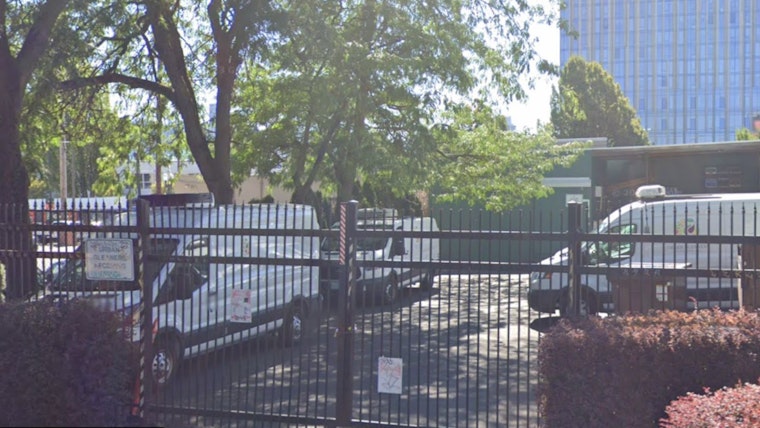
Urban Gleaners, another food rescue and redistribution nonprofit led by Nico Niebes, typically moves around 25,000 pounds of food weekly through its warehouse. During the storm, they saw the volume of their pickups—laden with donations from grocery stores, cafeterias, and restaurants—double or even triple. "The pickups that we’ve been able to get out and go and get in this weather have been doubled to triple the size that those pickups normally are," Niebes shared with OPB. It's a bittersweet boon; dismal for businesses but a windfall for waste reduction efforts.
Ordinarily, the bounty collected by Urban Gleaners is distributed through free markets, often located at schools. However, with schools shut due to the storm, volunteers and staff worked in tandem with other nonprofits to redirect the food to alternative sites. "The most vulnerable in our population are usually the most affected by this type of weather," Niebes observed. "To be able to work with other organizations that are able to open and get food out is super crucial." he told OPB. Through collaboration and community spirit, Portland's nonprofits ensured that during a week of fraught conditions, sustainability and compassion weren't among the casualties.



