

























































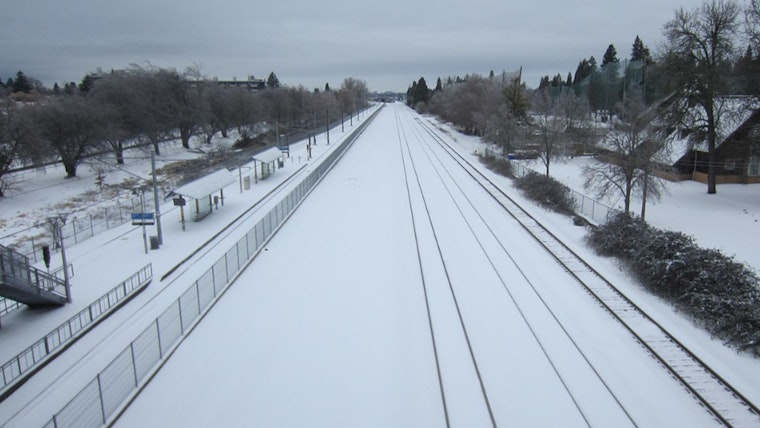
Portland's small business community has been forced into a precarious dance of dependency and resilience following a severe ice storm that swept through Multnomah County earlier this month, showing a gritty determination to recover amid nature's recent wrath. As the county hustled to provide temporary refuge to about 1,300 people across a dozen sites for five nights during the emergency, criticism mounted when these warming shelters closed last Wednesday morning after an overly optimistic weather forecast predicted rising temperatures and melting ice, as reported by OregonLive.
The closure left hundreds scrambling in treacherously icy conditions, hunting for shelter without the convenience of public transportation, which led to further challenges and played into a larger conversation about inter-agency collaboration, or the lack thereof, the city and county officials pointed fingers regarding who was more at fault for the inadequate response to the storm. "We can't be here every night, but we are trying to be there on the coldest nights … That is when people die," Multnomah County COO Serena Cruz said.
Meanwhile, another environmental and administrative storm brews as Oregon's flagship Climate Protection Program faces a freeze of its own. A court has shelved the program for at least a year after identifying a procedural error during the rule-making phase, leaving the state's plan to reduce greenhouse gas emissions by 90% by 2050 in limbo; the setback has ruffled feathers at the Oregon Department of Environmental Quality, with Director Leah Feldon stating, "DEQ strongly disagrees with the court's decision, but we accept it," according to a KGW article.
No deaths from hypothermia have been reported after shelter closures, but this may change as investigations continue. While the temporary shelters successfully prevented deaths on critical nights, both city and county officials admit there are lessons to be learned. Improved teamwork is needed to protect lives in harsh winter conditions. Strategies for future storms, both atmospheric and bureaucratic, are yet to be seen. The current situation in Oregon serves as a stark reminder of the delicate balance between human efforts and the unpredictable nature of our world.





