

























































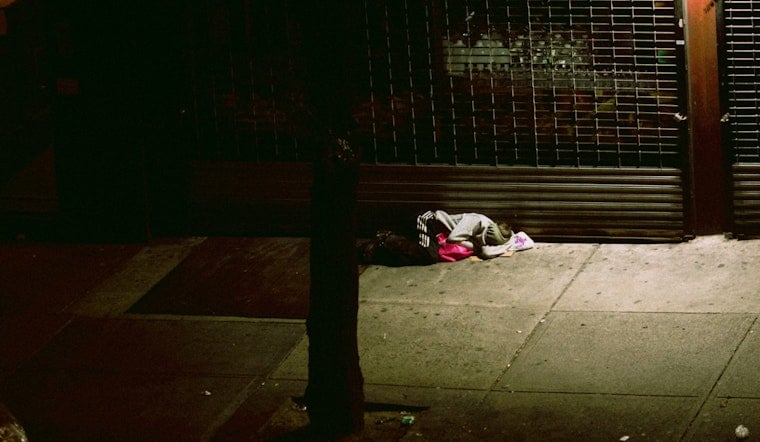
As volunteers combed the streets of San Antonio to tally those without a home, the latest data points to a homeless epidemic that's more acute than ever. San Antonio's annual Point-in-Time count, a survey crucial for determining who is homeless and why, revealed sobering numbers. "It's a great opportunity to build relationships, but we also use this data to identify gaps and better plan for our homeless response system," Katie Wilson, executive director of Close to Home, told KENS 5.
Last year, the city saw 322 people experiencing homelessness perish, attributable, in part to better tracking and stronger relationships. One outreach worker, Brittney Ackerson from Corazon Ministries, emphasizes the necessity of trust: "Because if they feel judged or unloved, they are not going to seek out resources," she explained to KENS 5. With a 5.3% increase from the previous year, San Antonio's homelessness rose to 3,155 counted in 2023.
This surge aligns with larger statewide trends. The Lone Star State is grappling with a homelessness count reverted to pre-pandemic numbers. Texas, struck by a more than 12% increase in homelessness last year, now shelters more than 27,000 without permanent roofs, according to federal estimates reported by MSN. The federal safety nets of rent relief and pauses on evictions, once a bulwark against displacement, are gone. "We're in a huge affordability crisis," said Eric Samuels, president and CEO of Texas Homeless Network, as affordability grows elusive.
Despite troubling numbers, some cities in Texas are managing to put a dent in these grim statistics. Dallas, for instance, witnessed a respective decrease in unsheltered and chronic homelessness, thanks to a $72 million initiative dubbed the R.E.A.L. Time Rehousing Initiative, which achieved housing for 2,700 people experiencing homelessness so far. "It's just important to remember that this work is hard," Sarah Kahn, CEO of Housing Forward, told MSN. In Houston, a similar initiative has seen great success: nearly 17,000 housed or diverted from homelessness since its inception in October 2020.
Yet, the looming expiration of federal funds remains a cliff-hanger for these programs. "We have to continue to invest in housing if we want to continue to see a downward trend in our homeless numbers," said Ana Rausch of Houston's Coalition for the Homeless.





