

























































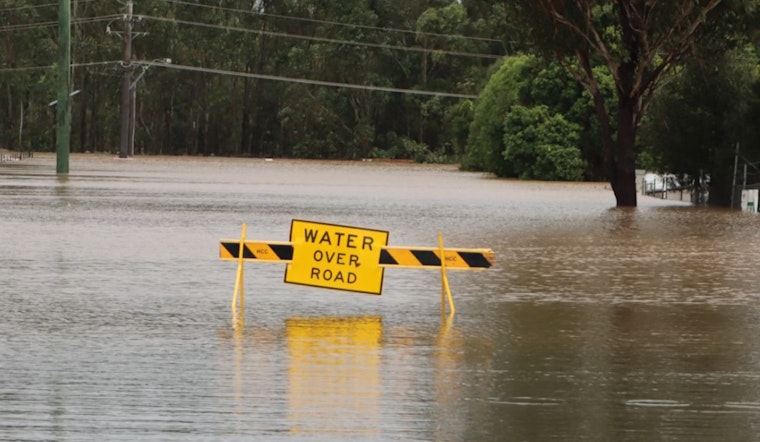
As severe weather continues to batter our nation with a ferocity that rips through our cities and upends lives, local leaders are adopting a more proactive stance in ensuring public safety. The recent storms in San Antonio laid this issue bare, revealing not only the urgent need for enduring solutions but also the gaping holes in our current systems—holes through which, tragically, the most vulnerable among us may slip. In the wake of destruction and close calls, it is evident that measures are going beyond mere response to storms, pivoting towards prevention and resilience in the face of Nature's unpredictable wrath, according to FOX San Antonio.
In San Antonio, the spotlight is on the plight of the homeless, who faced more than inconvenience but a deadly hazard as rains swept across their makeshift refuges. District Seven Councilwoman Marina Alderete Gavito's office, already dealing with risks from homeless encampments in drainage ditches, found urgency in their council consideration request. They were just that, where homeless encampments can't be because "Just a little bit of water, it can quickly escalate situations and be a life safety issue for so many people," Councilwoman Alderete Gavito told FOX San Antonio. The city's Public Works is monitoring flood-prone areas and closing high-risk crossings, heightening vigilance to prevent future tragedies, and Councilman Marc Whyte emphasized the importance of putting tax dollars to work for street safety improvements.
But there is growing recognition that the measures must extend deeper and wider. A report covered by American City and County emphasizes the value of leveraging data to identify residents who are vulnerable and proactively educating them on the risks of extreme weather. This includes elderly individuals and those with medical conditions who may be socially isolated, residents without access to cooling, or those living within the path of the storms' fury.
The urgency of reliable communication before, during, and after severe weather events cannot be overstated; ensuring that the communities remain informed and prepared is crucial for effective risk mitigation—emergency alerts, mass notifications, and critical updates must circulate with efficacy and precision. New York City's innovative approach during a summer heatwave, using emergency alerts to prompt energy conservation, thereby avoiding major power outages, is an emblematic case of how outside-the-box thinking can precipitate positive outcomes; likewise, this vision for safeguarding communities is increasingly becoming a government imperative, as voiced by safety officials who know that amidst the torrents and gales, it is the shared knowledge and communal preparation that can mean the difference between safety and calamity, as stated in the American City and County report.


