

























































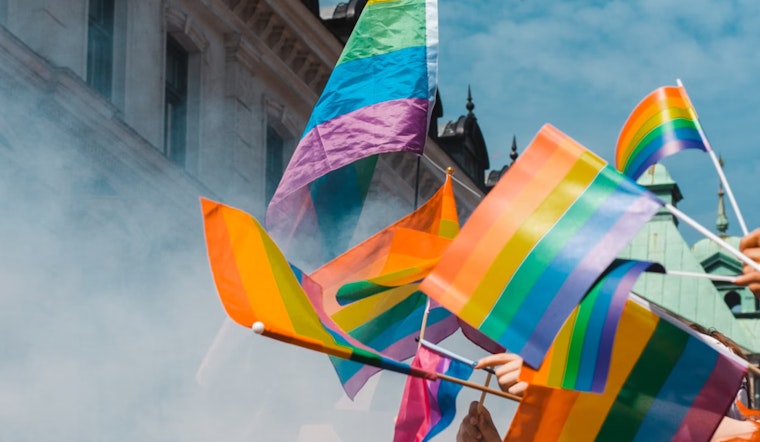
San Antonio is set to celebrate its LGBTQ+ scene with a new official recognition that honors a key hub for the community's vibrant culture. The city plans to designate the 1300 through 1900 blocks of North Main Avenue, affectionately dubbed 'the gay strip,' as a Cultural Heritage District. Packed with LGBTQ+-owned businesses such as Pegasus, Sparky’s Pub, Knockout, and Heat, this area also hosts the annual local Pride festival and parade, and boasts the iconic rainbow-colored crosswalks at North Main Avenue and East Evergreen Street.
The initiative, led by Council Members Sukh Kaur and Jalen McKee-Rodriguez, has garnered support across the board, with District 6 Council Member Melissa Cabello Havrda declaring it "long past due" in a statement obtained by Express News. However, the Historic and Design Review Commission will make the final vote in about six months after considering public input and a cultural significance report. The cultural designations, according to the city, are largely ceremonial and do not impose building restrictions, but they do offer an opportunity for engagement and recognition within the community.
Meanwhile, San Antonio's wider embrace of its LGBTQ+ presence weaves through the city's colorful history. In the 1950s, an era alive with drag shows and camp-based performances, the city began to break the conservative silence through artistic expression. The CN Traveler interview with Trinity University professor Amy L. Stone notes how Fiesta, a citywide celebration, took things mainstream with an event called Cornyation—a parody full of gay artistry that signaled belonging within San Antonio.
Cornyation has evolved into a major collaborative event, amassing over $3 million for charities, and backing scholarships for theater arts students. "What the organization gives back to underrepresented, underserved members of our community is remarkable," said a board member, Mindy Miller Hill, according to the CN Traveler. Amy L. Stone further elucidates how the celebration has traversed mere tolerance to a deeper appreciation and validation of LGBTQ+ artistry.
The city has ostensibly grown bolder in its support for the LGBTQ+ community. In 2013, a nondiscrimination ordinance was passed, and in 2018, the Rainbow Crosswalk installation manifested San Antonio's continuing advocacy. This patronage of LGBTQ+ culture extends beyond annual events to year-round establishments like the Bonham Exchange and Luther's Café, ensuring that the city's support and celebration of the community is not limited to fleeting festivities but is integrated into the daily fabric of urban life.
Sandra Whitely, founder of San Antonio's Thrive Youth Center, recognizes this steady progress, taking solace in Mayor Ron Nirenberg's 2018 creation of the LGBTQ+ Advisory Committee. Yet, there are barriers—statewide challenges that hinder the full actualization of LGBTQ+ rights. As Maddie Kennedy of Thrive points out, essential services such as gender-affirming medical care can be obstructed or delayed, highlighting an enduring tension between the city's progressive push and the broader state context.


