

























































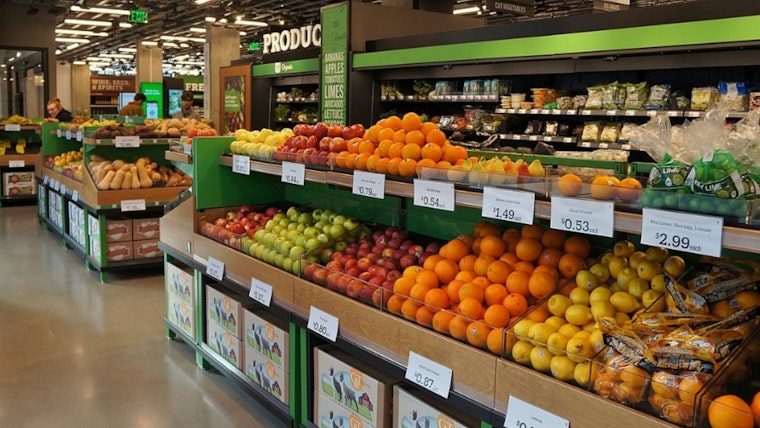
The cost of keeping the pantry stocked in Seattle is biting deep into the pockets of its residents, with the city ranking as one of the priciest for groceries across the U.S. A recent federal survey bolstered by a report from HelpAdvisor.com points to Washingtonians shelling out an average of $287.67 weekly for their food fix at the grocery store, this according to data revealed by the Seattle Medium. Clocking in at over $1,150 per month, this figure surpasses the national household average by a significant margin, pegged at $270.21.
Seattle's minimum wage saw a substantial bump to $19.97 per hour in January, a move meant to economically empower residents. But the wage increase appears to struggle to fully counterbalance the heightened grocery costs. California, Nevada, and Mississippi are the only states with heftier tabs at the checkout, as per findings from the U.S. Census Bureau Household Pulse Survey. The survey, amassing data between October 18th and 30th of last year, didn't factor in Alaska and Hawaii, states traditionally known for higher food prices.
Digging into the municipal rankings, Seattleites face weekly grocery expenses averaging $289.23, launching the city into the sixth spot on the list of most expensive U.S. cities for groceries reported the KIRO 7. This places Seattle ahead of major metros like New York City, Dallas, and Chicago, and trailing behind the likes of Miami, Houston, and a trio of Californian cities.
The broader economic implications of Seattle's grocery pricing are front and center with Washington's Attorney General gearing up to oppose a major merger in the supermarket sector. Attempting to thwart the potential union of Kroger and Albertsons, the official underscored the dangers of diminished competition. "If Kroger and Albertson's merge, they will – simply put – dwarf the competition," said Ferguson. "Shoppers will have fewer choices and less competition, and that results in higher prices." He added, “During our investigation, we reviewed hundreds of thousands of records. We uncovered internal chats – between corporate executives and other employees,” Ferguson said. “After rumors of a proposed merger surfaced, a vice president of marketing with Albertsons wrote – and I’m quoting – ‘You’re basically creating a monopoly in grocery, with the merger.’ It makes no sense.”
Seattle is facing higher prices, and in November, the cost of food for home consumption went up by 1.7%, according to the U.S. Bureau of Labor Statistics. The increasing living expenses are a concern for Seattle households, especially when it comes to groceries. This has become a significant issue, not just for individual budgets but also for the state's efforts to prevent market monopolization in the grocery sector.





