

























































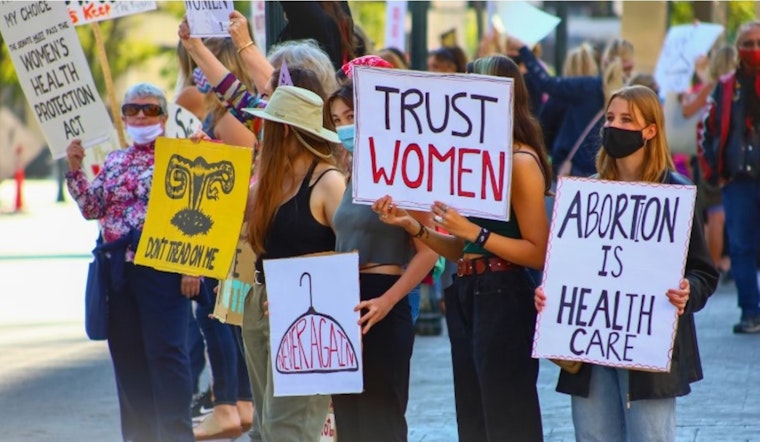
The future of emergency abortions, pivotal for the lives and health of women, is now set to be scrutinized by the U.S. Supreme Court this April. Legal battles have intensified since the overturning of Roe v. Wade, with state laws clashing against federal protections for patients requiring emergency medical care. The High Court's decision to uphold an extreme provision of an Idaho abortion ban has stirred consternation among abortion rights advocates.
Last week, the Supreme Court drew sharp criticism when it permitted Idaho's restrictive law to remain in effect, at least temporarily, by overturning a lower court's ruling to safeguard doctors performing abortions in emergencies. The American Civil Liberties Union's Jennifer Dalven expressed deep concern, saying "The announcement by the Supreme Court should leave all Americans very frightened," as reported by The Austin Chronicle.
Central to the imminent legal discourse is the Emergency Medical Treatment and Labor Act, or EMTALA, a federal mandate requiring hospitals to deliver emergency medical treatments. The Biden administration has argued that this legislation encompasses emergency abortions, a stance opposed by those favoring tighter abortion prohibitions. Echoing the gravity of the issue, Attorney General Merrick Garland previously highlighted the conflict between state laws and EMTALA, pointing out that "Idaho's law would make it a criminal offense for doctors to provide the emergency medical treatment that federal law requires," as per The Austin Chronicle.
The plight of patients like Mylissa Farmer and Jaci Statton, whose harrowing experiences reflect the stark reality of what's at stake. Hospitals declined to terminate Farmer's pregnancy despite the clear absence of a viable fetus, citing legal perils in a post-Roe landscape. "To separate abortion from the rest of healthcare that is protected by Emtala, is to treat pregnant people differently from everyone else," said Alison Tanner senior counsel at the National Women’s Law Center. Statton's complaint chillingly described how she was advised to wait in a hospital parking lot until her condition worsened substantially, a direction that underscores the current healthcare impasse, according to The Guardian.





