

























































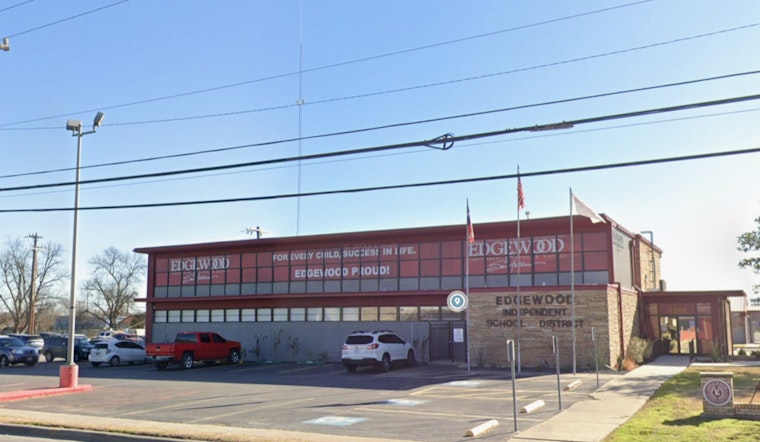
The Texas Education Agency (TEA) is keeping a close watch on Edgewood Independent School District after the district submitted faulty data on student departures for the 2021-22 school year. A transition to a new attendance software, compounded by a network outage that took systems offline for months, is to blame for the blunder, district officials said. As grit hits the fan, the state has slapped Edgewood with a corrective action plan, a non-negotiable move unanimously approved during a recent board meeting. "Pristine" data submission moving forward is the goalpost, Deputy Superintendent Phillip Chavez said, as reported by the San Antonio Report.
In the spirit of monitoring, the TEA's eagle eyes will remain on Edgewood ISD's board until the agreement’s expiration on March 15, 2025, as part of the conditions laid out in the plan. The agency stopped short of commenting further on this “ongoing matter,” but warned that additional violations might trigger an investigation, or worse, sanctions, against Edgewood, which has a history of state scrutiny. The district has already seen enrollment slip under 8,000 students, a startling decline from the nearly 15,500 students on the books back in the 1987-88 school year, Edgewood confirmed.
Meanwhile, a statewide tussle over Texas' school ratings continues as the TEA and many school districts face off in court. At issue is how hard the grading should be, with educators expressing concern over the ramifications of too stringent a rating system, the Texas Tribune reported. Around six years back, Kingsville ISD was one of nine districts slapped with a failing grade under the A-F system, which led to missed development opportunities and the exodus of many educators. "These letter grades are not just something you take lightly," Kingsville Superintendent Cissy Reynolds-Perez lamented.
The TEA, undeterred, is defending its position, keen on revamping the system to set the bar higher for schools, particularly on postsecondary preparedness. But this hasn’t gone down well with school leaders, who sued the agency last year, slamming the brakes on the update. A Travis County judge ruled the changes unlawful, putting the state’s tinkering and the release of ratings on ice. In turn, the TEA appealed, leaving the state's accountability system and the schools’ grades stuck in limbo. Some critique the system's focus on state tests, and its perceived punitive nature towards poorer districts. "The idea that this is just some sort of rating of poverty is false," TEA Commissioner Mike Morath countered, preaching optimism despite the challenges for high-poverty schools.




