

























































Texas residents might need to break out their rain boots and umbrellas as forecasters predict a wet week ahead due to an El Niño-like weather pattern. According to San Antonio Express-News, an area of low atmospheric pressure from the Pacific is expected to bring heavy rainfall to the Lone Star State, with chances for above-average downpours starting as early as Sunday evening.
While areas such as San Antonio and Houston haven't quite seen the expected El Niño rainfall so far, with accumulations coming in below average since December, North Texas has experienced a surplus with Dallas-Fort Worth getting rainfall amounts that are 14% above the norm. As the system packed with Pacific moisture heads eastward, the National Weather Service projects a 70-80% chance of above-average rainfall throughout Texas in the next six to 10 days.
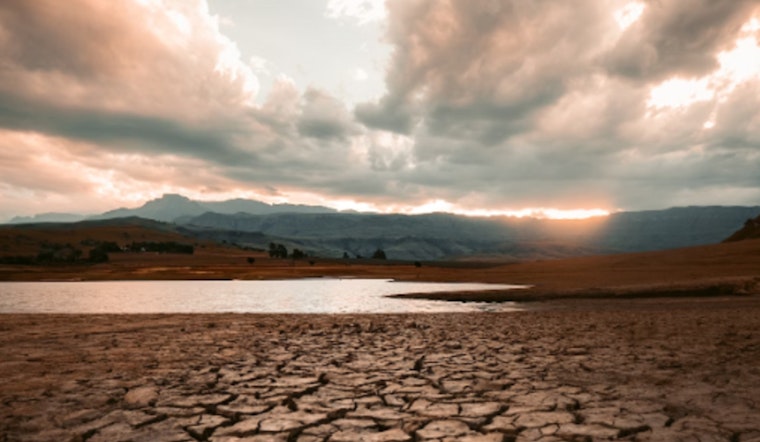
But Texas isn’t the only region feeling El Niño’s effects. The South Africa Weather Service reports an El Niño state affecting the southern hemisphere, bringing drier and warmer conditions than usual, according to a statement obtained by Independent Online (IOL). While these conditions have been prevalent through most of the summer months, weather extremes, including higher temperatures and potential droughts, are still expected in the upcoming months.
On a global scale, El Niño has led to a significant warming period over the last six months, with climate events like Australian fires, deadly floods in Kenya, and heatwaves across different continents. Yet, there’s a flicker of change on the horizon. Climate models indicate this current El Niño may be nearing its end, with possibilities of neutral conditions by midyear. The transition, however, leaves open questions about whether neutral conditions will prevail or if a La Niña event might follow.
The far-reaching impact of El Niño is evident not just in weather patterns but also in the agricultural sector. In South Africa, concerns over crop yields have risen due to insufficient rainfall. Crops such as mealies have been hit hard, potentially disrupting food prices in the region. And as weather experts monitor the shifting patterns, the weight of El Niño’s legacy on the environment and economy is likely to linger even after the event itself has passed into the annals of climatological history.



