

























































Texas community colleges are gearing up for a revamp in how they're funded, where the money trail will soon follow student success instead of just head counts. The new rules, proposed at a January meeting of the Texas Higher Education Coordinating Board, are calling for an emphasis on in-demand skills reflecting state and regional workforce needs, according to The Austin American-Statesman, .
HB 8, a new legislation, is pressing Texas community colleges towards programs that deliver tangible workforce value - and the state is betting big money on it, with a historic $683 million earmarked for the implementation. The law, which was signed in June last year has, pulled these institutions from an enrollment-focused model to one that prioritizes performance, and ensures they receive state money based on the number of degrees, certificates, transfers, and other credentials awarded, as per The Austin American-Statesman.
Under the proposed parameters, a new credential value "premium" level could introduce additional rewards for colleges whose students are projected to achieve a positive return on investment before reaching a target year based on the credential, as explained by Higher Education Commissioner Harrison Keller.
"It's about making sure that community colleges have a source of sustainable funding to innovate, and to keep up with that pace of change," said Jonathan Feinstein, of Education Trust in Texas, in a statement obtained by The Texas Tribune.
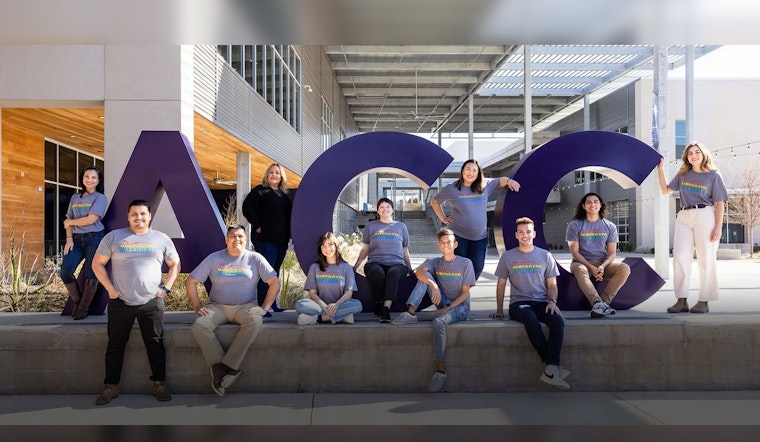
Come fiscal year 2024, the promised funding increase to the tune of an extra $210 million has already kicked in, and it's set to be a game-changer for schools of every stripe across the Lonestar State. Institutions like Austin Community College, which felt shortchanged by initial funding calculations, are using the opportunity to re-examine their programs to improve on the presented metrics. "We did not receive as much as I think our community and our students and our faculty and staff deserve. Because we're not as good at the outcomes as we need to be," Chancellor Russell Lowery-Hart told The Texas Tribune.





