

























































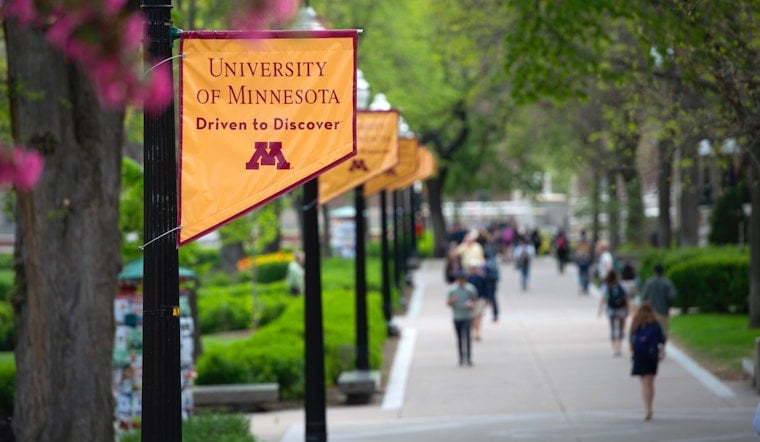
In a hefty push toward a sustainable future, the University of Minnesota has netted a sizable piece of the National Science Foundation's (NSF) Regional Innovation Engines pie, with the NSF unveiling the first batch of awards earmarked for propelling region-specific innovations forward. As one of the 10 beneficiaries in this landmark initiative, a consortium helmed by the water innovation hub Current, called Great Lakes ReNEW, is standing tall with a grant that could reach up to $160 million designed to spur the growth of a water-centric innovation engine around the Great Lakes, a lifeline for several Midwest states.
With an eye on crafting a "blue economy," a concept centered around the sustainable use of ocean resources for economic growth, improved livelihoods, and jobs while preserving the health of marine and freshwater ecosystems, the Great Lakes ReNEW aims to bring a breath of fresh air to regional development, as the University of Minnesota announced. This economic revamp is predicated on transforming the upper Midwest—encompassing states like Illinois, Indiana, Michigan, and others—into a haven for water resource management and technological milestones.
Aiding in this pioneering effort is the University of Minnesota's own Water Resources Center, bringing to the table a pool of over 200 water experts from a slew of disciplines, set to bolster this ambitious venture through significant regional collaboration. "The ReNEW engine will have access to a network of more than 200 water experts across a wide range of fields at the University of Minnesota. This is a new model for supporting research that will allow our experts to build new regional collaborations and develop creative solutions," Jeffrey Peterson, director of the University's Water Resources Center and project co-lead, told the University's news service.
The mission entails not just the conservation of the vast waterways, but also their optimal use, as the University's researchers, pairing up with partners within the Great Lakes vicinity and drawing on their vast interdisciplinary expertise, will endeavor to excavate valuable resources, these resources range from energy to critical minerals from our water systems this will include tasks such as filtering out pernicious 'forever chemicals' and other pollutants, the very step towards a greener, tech-friendly region. "This work allows us to collectively address water problems and advance collaboration between U of M researchers, governmental agencies, and industry partners from Minnesota and across the region," stated Tianhong Cui, the University of Minnesota team co-lead and a professor of mechanical engineering, while addressing the University's news service.
The task at hand will see U of M engineering professors Cui and Terrance Simon spearheading the development of carbon-based sensors suitable for long-term monitoring of pollutants in water, such as nutrients and heavy metals. Concurrently, another U of M Engineering Professor, Paige Novak, will take the reins on proliferating technologies to reclaim resources from waste effectively and improve low-energy treatment for a broad spectrum of water contaminants. This effort has taken flight backed by the federal CHIPS and Science Act, which lays the groundwork for the Regional Innovation Engines program— a catalyst aiming for a vast innovation capacity and fostering of sustainable innovation ecosystems with equitable growth spread across regions and demographics. With the first wave of research projects making landfall, hope surges for a smarter, greener Midwest riding the waves of water innovation.




