

























































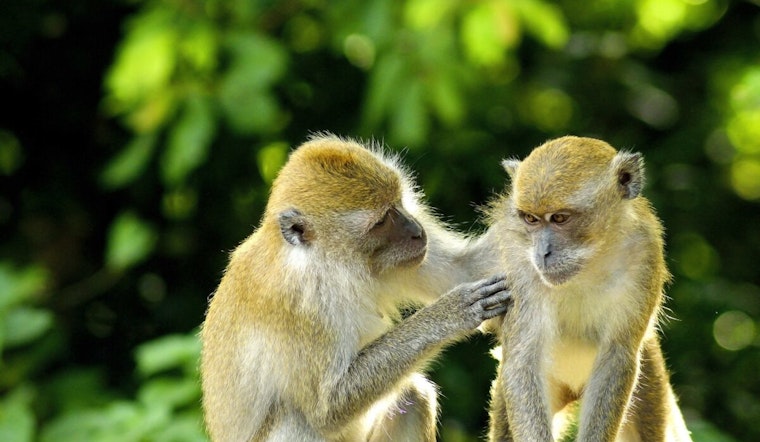
The longstanding notion that male primates generally run the show has been upended by a new study out of The University of Texas at Austin, which suggests that the animal kingdom might not be as patriarchal as once thought. Researchers at the university's anthropology department have found evidence of female power and social equality within every major primate group, possibly stretching back through evolution.
The study, which digs into the social dynamics of 79 primate species and categorizes them into male-dominant, female-dominant, or co-dominant groups, indicates that the rise of male dominance correlates with larger male body size and toothier males, while female dominance seems to crop up in instances where eligible bachelorettes are scarce thus boosting their social bargaining power especially when the size difference isn't much.
"In the past, primatologists have often focused on the role of males and male power in primate societies," Rebecca Lewis, a professor of anthropology and co-author of the paper, said in a statement obtained by The University of Texas at Austin News. She added that their work suggests that "more economic forms of power might come to the forefront in primate species in which males and females are similar in size and in which females are therefore less readily coerced by males."
The findings throw a wrench into the old-school belief that male dominance has been the default since monkeys were just a twinkle in evolution's eye, though lemurs are commonly recognized for having female power structures researchers have tried to write them off as outliers due to peculiar environmental circumstances, but the study points out similar scenarios among gibbons in Southeast Asia and marmosets in the Americas, showing that the notion of females playing second fiddle isn't set in stone. Chris Kirk, also a professor of anthropology at UT and a co-author, further explains that "it’s not clear what the ancestral condition might have been," suggesting that power dynamics among primates were likely always more complex than previously conjectured and, thus, "all types of intersexual power need to be explained, not just the presence of female-biased power."
This line of inquiry not only scratches the surface of our understanding of primate social structures but could also have wider implications on how we interpret social dynamics in the animal kingdom at large. If the study's findings hold water, they could signify a paradigm shift in our conception of gender roles among our closest evolutionary relatives.



