

























































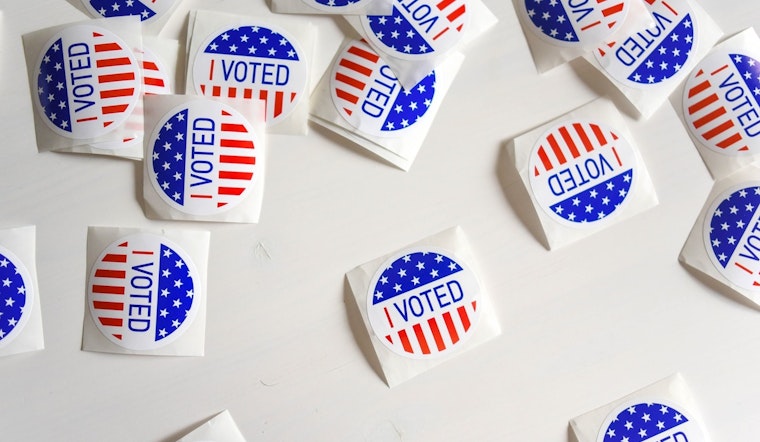
As Texas continues rapidly to grow, its voter registration numbers have been keeping pace. According to KXAN, almost 17.9 million people are registered to vote in the state as of January. The population boom in Texas, with more than 30.5 million residents as of July 2023, has pushed registered voters up 56.8% since 2000. This increase is not spread evenly across Texas, with suburban areas seeing the sharpest rises in voter registration, while some rural counties like McMullen County have witnessed a decline.
With the Texas primaries heating up for March, voter turnout is a hot topic. Data analyzed by KXAN shows that suburban counties are increasingly becoming a powerful voting bloc, driven by unprecedented growth. For example, Kaufman County alone has seen a 33% spike in registered voters, aligning with its status as the fastest-growing county in the state, according to the U.S. Census Bureau. Contrasting county growth, areas such as Wichita County have seen the number of registered voters shrink by 3,502 since January 2000.
Voters in Texas have a range of options to register, including in person, by mail, or through the Secretary of State's online portal. The primaries are just around the corner, and each party's candidates selected then will battle it out in the November general election.
The changes in registration could also signal shifting political winds in the Lone Star State. Texas, traditionally a Republican stronghold, has started to trend more purple in recent years. As KXAN reports, urban areas are skewing increasingly Democratic, while rural regions remain deeply red. In the 2020 presidential election, suburban counties, which used to handily back Republican candidates, showed significantly diminished margins for the GOP. These trends suggest that voter registration, particularly in the booming suburbs, could play a decisive role in the upcoming elections.
For those eligible and aiming to exercise their right to vote, a photo ID will be necessary at the polls. Texas offers seven acceptable forms according to the Austin American-Statesman, ranging from a driver's license to a U.S. passport. Voters without one of these IDs may still vote if they complete a Reasonable Impediment Declaration and provide alternate identification. With so many choices on the ballot—from the U.S. Senate to local sheriffs—the impact of Texas voters will surely be felt this election cycle.





