

























































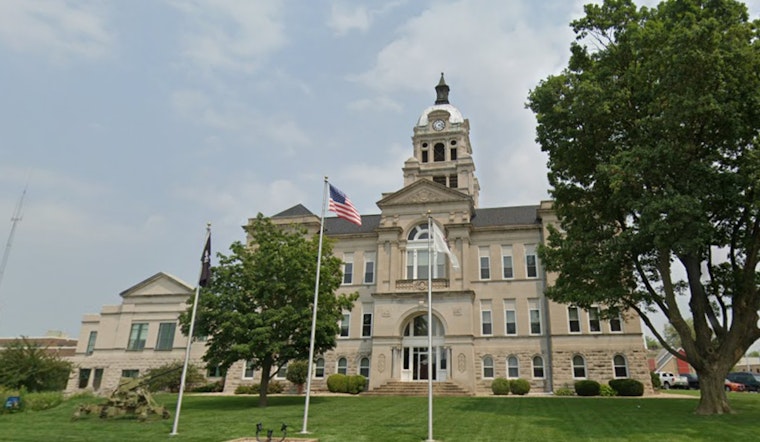
Residents of Woodford County can breathe a collective sigh of relief, as state officials have announced a steady property assessment equalization factor for this year, sticking squarely to a 1.0000 ratio. The Illinois Department of Revenue, led by Director David Harris, confirmed the 2023 figure matches last year's, ensuring no dramatic swings in property tax calculations—at least not from this end. And while the state's method aims to balance the assessment scales across counties, it remains a numbers game, one designed to curtail the disparities that so easily can sneak into systems of fiscal oversight.
To quickly sum up, the "multiplier" is what keeps property assessments in line from one county to the next. This mathematical keystone is crucial, given that taxing districts often extend beyond singular county lines. Without it, property owners across Illinois could find themselves deeply entrenched in valuation inequities—something Harris's department is keenly set to avoid. The announcement—distributed via a press release—shines a spotlight on the intricate balancing act performed to seamlessly align assessment averages with market values, a hefty task to maintain financial fairness.
By state law, properties should hew to an assessment of one-third of their market value—farms being the notable exception, where the land and buildings adhere to productivity standards over market whims. This alignment confirms an important figure: a 33.02 percent assessment ratio based on sales from the three previous years. And while the mathematics of it all might quicken the pulse of an accountant's heart, it's the outcome that matters to homeowners: the tentative multiplier doesn't mess directly with your tax bills. This year's 1.0000 is a carbon copy of last year's factor, indicating consistency is the name of the game.
Though the equalization factor might hold steady, it doesn't guarantee the status quo on tax bills. Those numbers will tick up or down based on the appetites of local taxing bodies—schools, fire departments, libraries—when they reach into the public coffer to keep their operations afloat. So even if assessments don't always reflect it, the tax burden shifts to account for these budgets. Should the local tax districts decide not to significantly up their asks, it stands to reason that the total property taxes won't see a surge, maintaining a semblance of financial normalcy amidst an ever-oscillating economic landscape.
A public hearing within the county, destined to occur between 20 and 30 days following the tentative factor's publication, will present an opportunity for revision—raising the possibility that local action or data could yet sway the Department of Revenue's assessment. Until that gavel falls, Woodford homeowners know at least one variable in their tax equation remains unchanged. As the equalization factor is set, each individual knows their piece of the tax puzzle is not altered by the multiplier's hold. In the end, when the bills are doled out, it's the local requests that pull the strings on the ultimate sum due. Still, for now, Woodford County can cling to a tentative assurance: this year's multiplier is no harbinger of upheaval.





